
Learning Hub
Glossary
Wire Forming
Wire forming is a manufacturing process that bends, cuts, coils, shapes, or otherwise forms metal wire into a specific finished part or component. Instead of starting with flat sheet, bar stock, casting, or machined billet, wire forming starts with round, square, rectangular, or specially shaped wire and uses mechanical force to create the required geometry. The process can produce simple bends, loops, hooks, clips, rings, pins, springs, handles, retainers, latches, guards, brackets, and many other industrial parts.
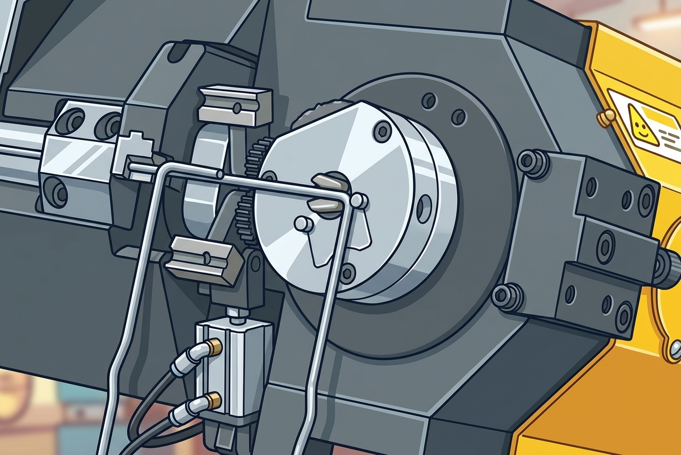
Wire forming is commonly done with CNC wire forming machines, slide-forming equipment, press brakes, fourslide machines, coiling machines, stamping presses, or custom tooling. The wire is usually fed from a coil or cut length, straightened, then bent or shaped through a sequence of controlled movements. Depending on the part, the wire may also be cut, chamfered, threaded, welded, flattened, pierced, swaged, heat treated, plated, passivated, or coated after forming.
In fastener and industrial hardware applications, wire forming is used to make parts that hold, retain, connect, support, latch, spring, or guide other components. Common examples include cotter pins, hitch pin clips, retaining clips, safety clips, wire lock pins, spring clips, snap rings, hose clamp wire forms, wire handles, hooks, eyelets, hanger parts, formed brackets, and custom retaining devices. These parts often function as simple but important fastening or retention components, especially where a bolt, nut, screw, or washer would be too rigid, bulky, expensive, or difficult to install.
The material used for wire forming depends on the application. Carbon steel is common for general-purpose formed parts, stainless steel is used where corrosion resistance is needed, spring steel is used where the part must flex and return to shape, and copper alloys may be used where conductivity, corrosion resistance, or non-sparking properties are important. Wire diameter, tensile strength, bend radius, springback, ductility, surface finish, and coating requirements all affect how successfully the wire can be formed.
Wire forming is valuable because it can produce strong, repeatable, lightweight components with relatively efficient material usage. For high-volume parts, it can be very cost-effective because wire can be fed continuously from coil stock and formed quickly. For custom or specialty applications, CNC wire forming also allows unusual shapes to be produced without the same level of tooling investment required for some stamped or machined components.