Learning Hub
Glossary
National Aerospace Standards (NAS)
The National Aerospace Standards (NAS), a type of industry-developed aerospace specification used to define the required dimensions, materials, performance, testing, interchangeability, and quality expectations for aerospace parts, processes, or practices. The Aerospace Industries Association, or AIA, maintains the NAS library and states that these are voluntary standards developed by industry to support the manufacturing and operation of aerospace products. AIA also notes that the NAS library contains more than 1,100 active standards, and that these standards have been developed since 1941.
In practical hardware use, “NAS” is often seen in aerospace fastener part numbers and related component specifications. When a bolt, nut, pin, or other part is described as a NAS item, it generally means it is built to an aerospace standard that is more tightly controlled than ordinary commercial hardware, often with requirements for closer tolerances, higher strength, special geometry, and more rigorous acceptance criteria. AIA’s National Aerospace Standards Committee says its NAS part standards are recognized for meeting the high-strength, close-tolerance, and rigorous acceptance-testing requirements of the aerospace industry. The FAA also groups NAS hardware alongside other accepted aviation standards such as AN and MS when discussing aircraft fasteners and approved hardware.
The term does not refer to one single document. Instead, it refers to a large family of standards covering many aerospace subjects. Some NAS standards define specific parts, such as certain bolts or fittings, while others address broader technical requirements, inspection qualifications, or system practices. For example, AIA recently described NAS410 as a core aerospace standard for qualification and certification of nondestructive testing personnel, which shows that NAS standards are not limited only to fasteners.
Naval Brass
Naval brass is a copper-zinc-tin alloy designed for good strength, corrosion resistance, and serviceability in marine and industrial environments. It is a type of brass, but unlike ordinary copper-zinc brass, naval brass contains a small amount of tin, which improves resistance to corrosion in seawater and helps reduce dezincification, a corrosion process where zinc is selectively leached out of the brass.
The most common naval brass grade is C46400, often called naval brass 464. A typical composition is roughly 60% copper, 39% zinc, and 1% tin, though exact chemistry depends on the applicable specification. The copper provides corrosion resistance and ductility, the zinc adds strength and hardness, and the tin improves performance in wet, chloride-containing, or mildly aggressive environments.

Naval brass is commonly used for marine hardware, propeller shafts, valve stems, pump components, fittings, fasteners, nuts, bolts, washers, rivets, turnbuckles, and structural marine parts. It is especially useful where a part needs better corrosion resistance than ordinary brass but does not necessarily require stainless steel or bronze.
In fastener applications, naval brass is valued because it is corrosion resistant, machinable, non-sparking, and more galvanically compatible with other copper alloys than stainless steel may be in some marine assemblies. However, it is not as strong as alloy steel and is not usually selected for high-strength structural bolting. Its strength is moderate, and its main value is the combination of corrosion resistance, workability, and durability in marine-style service.
Naval brass should not be confused with silicon bronze. Both are copper-based alloys used in marine hardware, but silicon bronze is a copper-silicon alloy with excellent seawater corrosion resistance and is often preferred for premium marine fasteners. Naval brass is generally stronger than some standard brasses and more seawater-resistant because of its tin content, but silicon bronze is often considered superior for long-term saltwater exposure
NE Nylon Insert Lock Nut
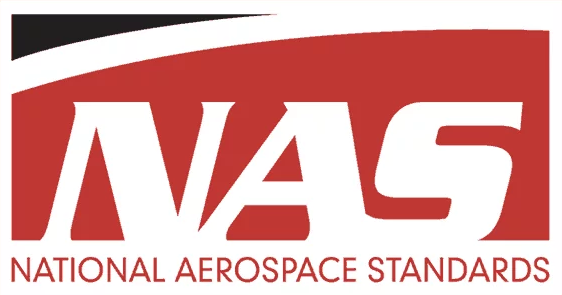
The NE Series Nylon Insert Lock Nut — also referred to as a Nylok™ Nut, Stop Nut, Plastic Insert Lock Nut, Regular Series Nylon Lock Nut, Non-Metallic Insert Nut, Polyamide Lock Nut, or Nylon Insert Hex Nut — is a nut with many identities but designed with one purpose. The Nylon Insert Hex Nut is a top-lock style with an elastic nylon ring.
Near Net Forming
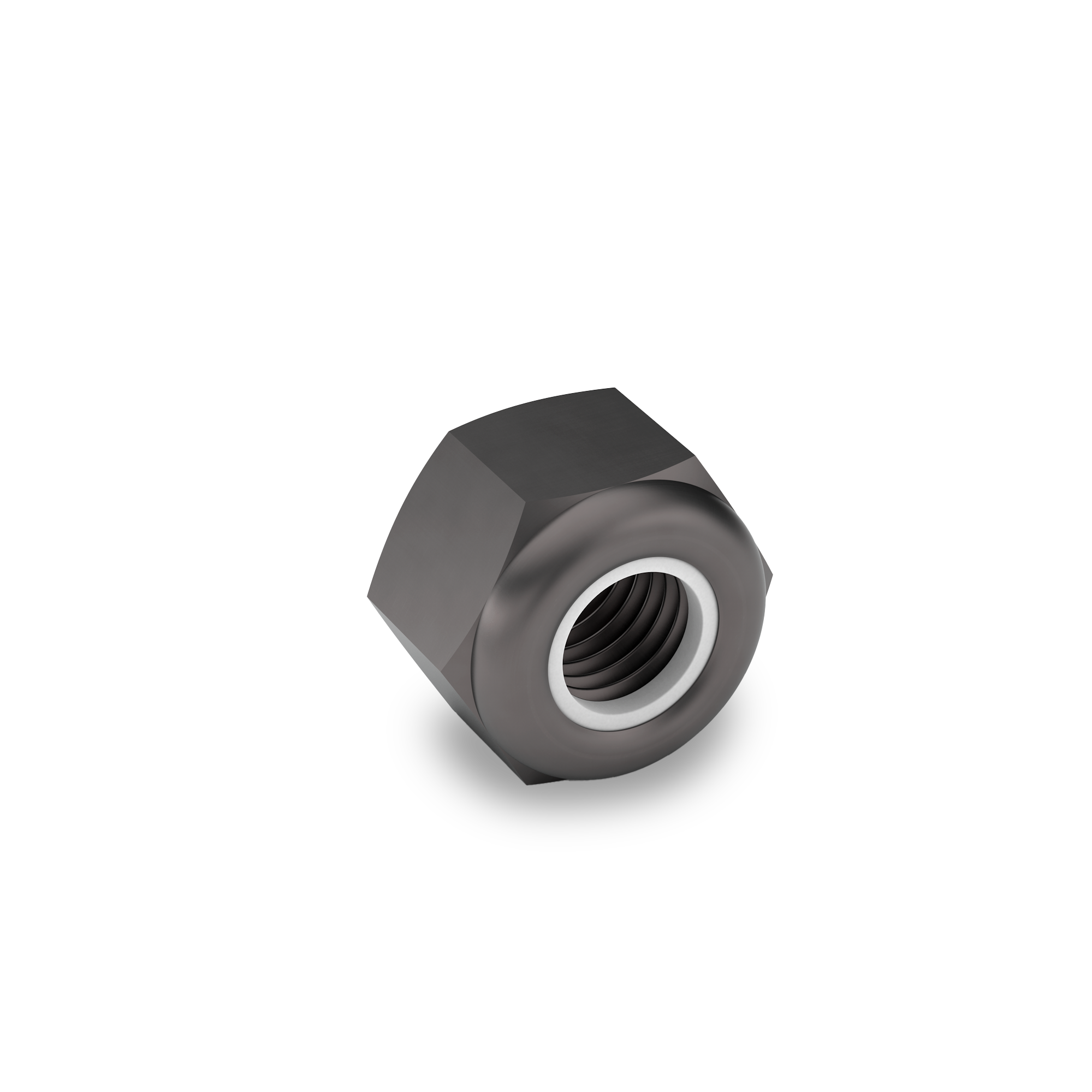
Near net forming is a manufacturing method where a fastener is forged or shaped very close to its final dimensions, reducing the amount of machining and finishing needed. Unlike traditional machining, which starts with a block of material and cuts away large amounts of excess, near net forming uses processes like cold heading, hot forging, or precision casting to produce a fastener that already resembles the finished product.
This approach improves efficiency, lowers material waste, and enhances strength since the forming process aligns the grain structure with the fastener’s shape. As a result, near net forming is widely used in producing bolts, screws, and aerospace-grade fasteners where performance, cost savings, and reliability are critical.
Newton Meter (Measurement)
A Newton meter (N·m) is the SI (International System of Units) measurement for torque, which is the rotational equivalent of force. It represents how much rotational force (moment) is applied around an axis, such as when tightening a bolt or turning a wrench.

By definition, one Newton meter is the torque produced by a force of one Newton acting perpendicularly at a distance of one meter from the axis of rotation. In equation form, torque (τ) is expressed as:
τ = F × r
where:
- τ = torque (in Newton meters, N·m)
- F = force applied (in Newtons, N)
- r = perpendicular distance from the axis of rotation (in meters, m)
For example, if you apply a force of 10 Newtons at the end of a 0.5-meter-long wrench, the torque you generate is:
τ = 10 N × 0.5 m = 5N\cdotpm
This means you’re applying a twisting moment of 5 Newton meters about the bolt’s axis.
In everyday terms, torque describes how much twisting force you’re applying. A higher torque value means a stronger rotational effect—tightening a bolt more firmly, turning a motor shaft harder, or accelerating a wheel faster.
To visualize the relationship:
- A Newton (N) measures linear force (how hard you push or pull).
- A Newton meter (N·m) measures rotational force (how hard you twist).
Torque is also commonly expressed in pound-feet (lb·ft) or inch-pounds (in·lb) in imperial systems. The approximate conversions are:
- 1 N·m ≈ 0.738 lb·ft
- 1 lb·ft ≈ 1.356 N·m
In engineering, N·m is the standard unit for specifying tightening torque for bolts, nuts, and fasteners, ensuring the proper clamping force without over- or under-tightening.
Nickel (Ni)
Nickel is a hard, silvery-white metallic element with the chemical symbol Ni and atomic number 28. It is a transition metal known for its strength, ductility, and excellent resistance to corrosion and oxidation, even at high temperatures. Nickel plays a crucial role in modern metallurgy and manufacturing—particularly in the production of stainless steels, high-performance alloys, and protective coatings.
In its pure form, nickel is tough, malleable, and magnetic at room temperature. It has a high melting point of 1,455°C (2,651°F), making it suitable for demanding applications such as jet engines, turbines, and heat exchangers. The metal forms a protective oxide layer on its surface when exposed to air, which helps prevent further corrosion—a property that makes it especially valuable in harsh or marine environments.
Nickel is most commonly used as an alloying element. The majority of the world’s nickel production—over 65%—is used to make stainless steel, where it combines with chromium and iron to increase corrosion resistance, toughness, and strength. It’s also a key component in nickel-based superalloys, which maintain strength and stability under extreme heat and stress, making them essential for aerospace, energy, and chemical processing industries. Other common nickel alloys include Monel (nickel-copper), Inconel (nickel-chromium), and Nichrome (nickel-chromium resistance wire).
Nickel also serves as a protective coating in nickel plating—a process that deposits a thin layer of nickel onto steel or other metals to improve wear resistance, corrosion protection, and appearance. This technique is used in fasteners, tools, electrical components, and decorative hardware.
Beyond metallurgy, nickel has important electrical and chemical uses. It’s used in batteries—particularly nickel-cadmium (NiCd), nickel-metal hydride (NiMH), and increasingly in nickel-rich lithium-ion batteries for electric vehicles. It’s also used in catalysts, coins, magnets, and electronic components.
Nickel occurs naturally in minerals such as pentlandite (Fe,Ni)₉S₈, garnierite, and laterites, with major deposits found in Indonesia, the Philippines, Russia, Canada, and Australia. Extraction involves both smelting of sulfide ores and hydrometallurgical processes for laterite ores.

Nickel Alloy
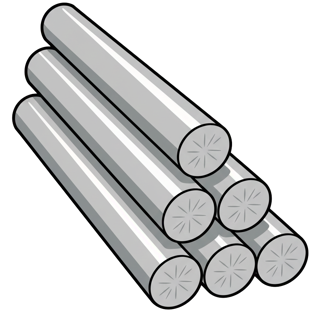
Nickel alloys are alloys where nickel is the main base metal (the “matrix”), with other elements added to engineer performance you can’t reliably get from carbon steels or even many stainless steels—especially when you have heat + corrosion + stress happening at the same time.
Why nickel is the base metal
Nickel is unusually good at staying stable when things get ugly:
- It keeps useful strength at elevated temperature (good creep resistance compared to many steels).
- It can form protective oxide films (especially when paired with chromium), giving strong oxidation and scaling resistance.
- It supports alloy chemistries that resist aggressive corrosion modes like pitting/crevice corrosion, stress corrosion cracking, and certain acid environments.
So nickel alloys are often the “insurance policy” material: expensive, but cheaper than unplanned shutdowns, leaks, or cracked parts.
The “big levers” in nickel alloy chemistry
A few alloying elements do most of the heavy lifting:
- Chromium (Cr): boosts oxidation resistance and helps passivation in many environments.
- Molybdenum (Mo): boosts resistance to pitting/crevice corrosion (especially in chlorides) and many reducing acids.
- Copper (Cu): often improves performance in certain reducing acids and seawater-related environments (depends on alloy family).
- Aluminum (Al) + Titanium (Ti) + Niobium (Nb): enable precipitation hardening (very high strength, good high-temp capability).
- Iron (Fe): often used to lower cost and tune thermal/strength behavior in certain “Ni-Fe-Cr” families.
Main families (how industry tends to bucket them)
1) Corrosion-resistant nickel alloys (chemical/process service)
These are selected primarily to survive specific chemistries (chlorides, acids, sour environments, etc.). Many are Ni–Cr–Mo types, because Cr helps passivation and Mo helps localized corrosion resistance.
2) High-temperature nickel alloys (heat, creep, oxidation)
These are for furnaces, turbines, hot tooling, and anything that lives where steels start to soften or scale. Many are Ni–Cr types for oxidation resistance, sometimes with additions for creep strength.
3) Precipitation-hardened (age-hardened) nickel alloys (strength monsters)
These are the “clamp-load and don’t blink” alloys—high strength (including at temperature) after heat treatment. They show up in critical fasteners, springs, shafts, and aerospace/power applications.
4) Ni–Cu and other specialty families
Used for particular corrosion niches, seawater exposure patterns, or specific chemical compatibility needs.
Where you see nickel alloys in the real world
- Fasteners & bolting: hot flanges, corrosive services, offshore, chemical plants—where you need preload retention and corrosion resistance (and you worry about galling).
- Piping & pressure equipment: heat exchangers, reactors, acid service, chloride service, sour service.
- High-temperature hardware: furnace fixtures, burner parts, thermocouple protection tubes, high-temp brackets.
- Power & aerospace: hot-section components, high-cycle fatigue + heat environments.
Practical “gotchas” (the stuff that bites)
- Galling: Many nickel alloys (and stainless) are prone to thread galling—lubrication, coatings, and correct nut/bolt pairing matter a lot.
- Galvanic corrosion: Mixing nickel alloys with carbon steel or aluminum in wet environments can create galvanic trouble if not designed/isolated properly.
- Weldability and heat treatment: Some nickel alloys weld beautifully; others need strict procedure control. Precipitation-hardened alloys are especially sensitive to thermal history.
- Cost/lead time: Often the biggest non-technical constraint.
How they’re specified
Nickel alloys are usually called out by a standard/spec + grade + product form + heat treatment condition, commonly under bodies like ASTM International and ASME, and corrosion-service choices are often influenced by industry guidance from groups like AMPP (formerly NACE).
Niobium (Nb)
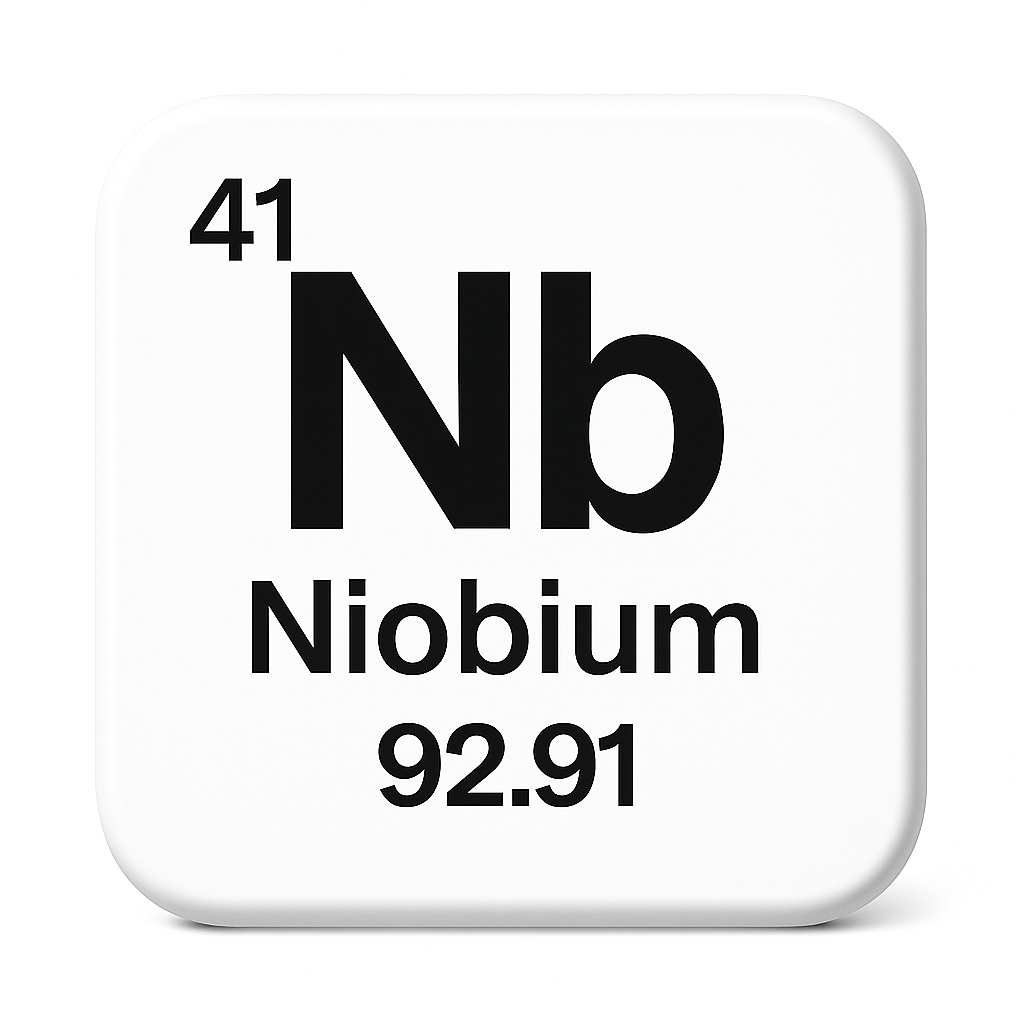
Niobium (chemical symbol Nb) is a lustrous, gray transition metal known for its high strength, ductility, and excellent resistance to corrosion and high temperatures. It has an atomic number of 41 and lies directly above tantalum (Ta) in Group 5 of the periodic table, which explains why the two elements share very similar physical and chemical properties. In fact, niobium and tantalum often occur together in nature and must be carefully separated during processing.
Niobium has a melting point of about 2,468°C (4,474°F), making it one of the refractory metals—metals that can withstand extremely high temperatures without deforming. It forms a thin, stable oxide layer (Nb₂O₅) on its surface that gives it excellent resistance to oxidation and corrosion, even in harsh environments. This property, combined with its low thermal expansion and high melting point, makes it ideal for demanding structural and electronic applications.
One of niobium’s most important uses is as an alloying element in steels and superalloys. When added to stainless steel or high-strength low-alloy (HSLA) steels in small amounts (usually less than 0.1%), niobium refines grain structure and improves strength, toughness, and weldability. These niobium-bearing steels are widely used in pipelines, automotive frames, bridges, and skyscrapers. In superalloys, niobium increases high-temperature strength and creep resistance, making it essential for jet engine components, gas turbines, and rocket nozzles.
Niobium is also a key material in advanced technologies. In electronics, it’s used to produce niobium capacitors, which function similarly to tantalum capacitors but are less expensive. In the field of superconductivity, niobium-based alloys (like Nb-Ti and Nb₃Sn) are used to make superconducting magnets for MRI machines, particle accelerators, and fusion reactors, because niobium remains superconductive at relatively high magnetic fields and low temperatures.
The metal is naturally found in minerals such as columbite (also known as niobite) and pyrochlore, which are its primary commercial sources. Much of the world’s niobium supply comes from Brazil, which dominates global production, followed by Canada and a few other countries.
Nitrile O-Rings
Nitrile O-rings (also known as Buna-N O-rings) are elastomeric sealing rings made from nitrile rubber, a synthetic rubber copolymer of acrylonitrile (ACN) and butadiene. They are among the most common and cost-effective types of O-rings used for general-purpose sealing in industrial, automotive, and aerospace applications.
Nitronic 60 Stainless Steel
Nitronic 60 stainless steel is a nitrogen-strengthened austenitic stainless steel engineered specifically for galling and wear resistance while retaining strong corrosion resistance. It is commonly designated as UNS S21800 and is sometimes referred to as an “anti-galling stainless.”
Compositionally, Nitronic 60 is built on an austenitic (non-magnetic in the annealed condition) structure similar to 300-series stainless steels, but it is modified with elevated nitrogen, silicon, and manganese, along with chromium and nickel. This chemistry is what gives it a unique combination of properties that standard grades like 304 or 316 struggle to achieve simultaneously. The chromium provides corrosion resistance through formation of a stable chromium oxide film, while nitrogen strengthens the material and contributes to improved wear performance.
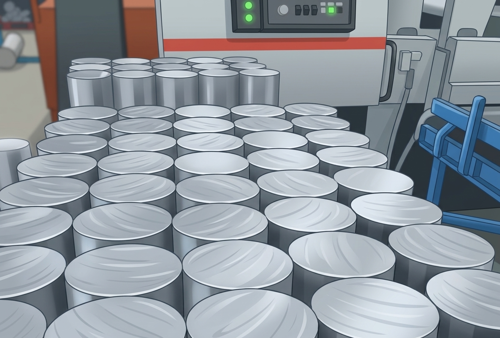
The defining characteristic of Nitronic 60 is its exceptional resistance to galling and metal-to-metal seizure. Galling is a form of adhesive wear that occurs when two similar metals (especially stainless steels) slide against each other under load, causing material transfer, tearing, and eventual locking of threads or surfaces. Nitronic 60 resists this by forming a more stable surface interaction under pressure, reducing the tendency for cold welding at contact points. In practical terms, this makes it highly valuable for fasteners, nuts, bolts, studs, valve components, shafts, and sliding surfaces where stainless-on-stainless contact would otherwise be problematic.
From a mechanical standpoint, Nitronic 60 provides higher strength than typical 300-series stainless in the annealed condition, without requiring heat treatment to achieve its baseline properties. It also maintains good toughness and ductility across a range of temperatures. While it is not precipitation-hardened like some high-strength stainless alloys, it offers a strong balance of strength, toughness, and wear resistance.
Corrosion resistance of Nitronic 60 is comparable to Type 304 in many environments, and in some cases approaches Type 316, though it is not typically selected primarily for extreme corrosion resistance like highly alloyed or duplex grades. Its performance is generally strong in industrial, mildly corrosive, and moderately aggressive environments, including exposure to water, many chemicals, and atmospheric conditions.
In fastener and industrial applications, Nitronic 60 is used where engineers need to avoid galling without relying on coatings, lubricants, or dissimilar material pairings. It is commonly found in valves, marine hardware, pump components, chemical processing equipment, food processing machinery, and heavy industrial assemblies where repeated assembly/disassembly or sliding contact occurs.
In practical terms: Nitronic 60 is a stainless steel designed to solve one of the biggest problems with stainless fasteners—galling—while still delivering solid corrosion resistance and mechanical performance.
NM Nylon Insert Lock Nut
A NM Nylon Insert Lock Nut (often just called a nylon lock nut) is a type of self-locking nut that uses a nylon insert to prevent the nut from loosening due to vibration or torque.
Noble Metal
A noble metal is a metal that strongly resists chemical reaction, oxidation, and corrosion, especially in normal air, moisture, and many common chemical environments. Noble metals do not readily give up electrons, which makes them less likely to tarnish, rust, dissolve, or form surface oxides compared with more reactive metals such as iron, zinc, aluminum, or magnesium.
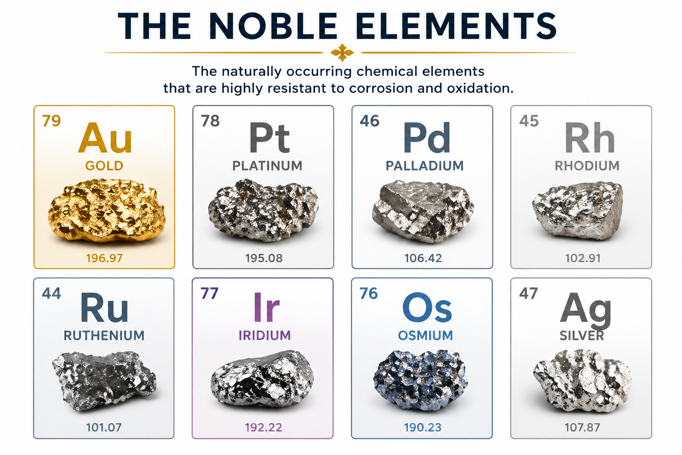
Common noble metals include gold, platinum, palladium, rhodium, ruthenium, iridium, osmium, and silver, although silver is sometimes treated as “less noble” because it tarnishes in sulfur-containing environments. Copper is also relatively noble compared with steel or zinc, but it is not usually grouped with the classic precious noble metals.
In corrosion science, “noble” often refers to a metal’s position in the galvanic series. When two different metals are electrically connected in the presence of an electrolyte, such as water, saltwater, or condensation, the less noble metal becomes the anode and corrodes faster, while the more noble metal becomes the cathode and is protected. For example, zinc is less noble than steel, which is why zinc coatings sacrificially corrode to protect fasteners. Stainless steel is generally more noble than zinc-plated steel, so mixing stainless components with zinc-coated parts in wet service can accelerate corrosion of the zinc.
In fastener and industrial applications, the idea of nobility matters because it helps predict galvanic corrosion risk when dissimilar metals are used together. A noble metal may resist corrosion very well by itself, but pairing it with a much less noble metal can create a corrosion cell if moisture or another electrolyte is present.
Nominal Diameter
Fasteners / threads: Nominal diameter is the named size of the fastener, and for external threads it corresponds to the basic (nominal) major diameter used in the thread designation (e.g., M10 → 10 mm; 1/4-20 → 0.250 in). The actual measured major diameter can vary within the thread tolerance, but the “nominal” is the size label.
Pipe / tubing: Nominal pipe size (NPS/DN) is a size designation, not the actual OD (and not necessarily the actual ID either). In most cases the pipe OD is fixed for a given NPS, while the ID changes with schedule/wall thickness, which is why “nominal” in piping is essentially a trade size.
Nominal Length
The stated or designated length of a fastener used for identification and ordering. It is the length a fastener is identified, specified, and sold by, rather than its exact measured length. Although the actual length may vary slightly due to manufacturing tolerances, the nominal length remains the reference dimension used in product specifications and industry standards.
Non-destructive testing (NDT)
Non-destructive testing (NDT) is a group of inspection techniques used to evaluate the properties of a material, component, or assembly without causing damage. Unlike destructive testing, which breaks or alters a sample, NDT allows the part to remain in service after examination.
NDT is used to detect flaws such as cracks, voids, corrosion, or weld defects, as well as to measure material thickness, hardness, or structural integrity. Common NDT methods include:
Ultrasonic Testing (UT): uses high-frequency sound waves to detect internal flaws.
Magnetic Particle Testing (MT): reveals surface and near-surface cracks in ferromagnetic materials.
Dye Penetrant Testing (PT): highlights surface cracks with visible or fluorescent dye.
Radiographic Testing (RT): uses X-rays or gamma rays to create images of internal structures.
Eddy Current Testing (ECT): uses electromagnetic induction to detect surface defects and measure conductivity.
Non-Ferrous Metal
A non-ferrous metal is any metal or alloy in which iron is not the primary constituent. Because they aren’t iron-based, non-ferrous metals generally offer advantages such as better corrosion resistance, non-magnetic behavior (many, though not all), and/or lower density compared to steels, which is why they’re widely used in industrial and chemical environments.
Common non-ferrous metals and alloys used in fastener applications include aluminum and aluminum alloys, copper alloys (brass, bronze), titanium, nickel alloys (e.g., Monel®, Inconel® families), zinc, and magnesium. In fastener selection, “non-ferrous” is often a shorthand way to indicate materials chosen for corrosion performance, weight reduction, electrical/thermal conductivity needs, or compatibility with specific chemicals, rather than the higher strength range typically associated with alloy steels.
Notch Sensitivity
Notch sensitivity is a material’s tendency to lose strength, fatigue life, or toughness when a notch, groove, sharp corner, hole, scratch, thread root, keyway, crack, or other geometric discontinuity is present. In simple terms, it describes how strongly a material “reacts” to stress concentrations.
A notch creates a localized high-stress area because the load cannot flow smoothly through the part. Instead, stress gathers around the sharp feature. Some materials tolerate this fairly well because they can deform slightly and redistribute the stress. Other materials are much more notch-sensitive, meaning a small notch or sharp transition can become the starting point for cracking or sudden failure.
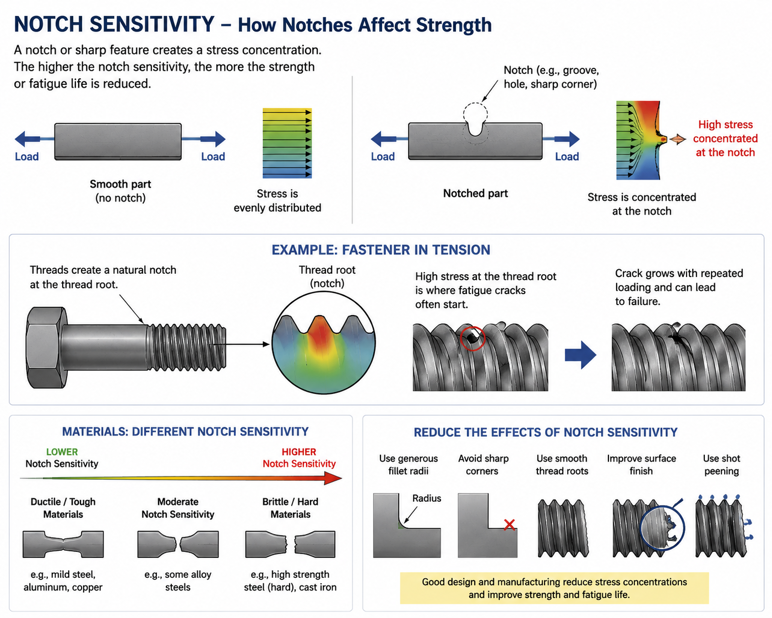
In fasteners, notch sensitivity is especially important because fasteners naturally contain geometric features that act like notches. Thread roots, under-head fillets, rolled or cut thread transitions, drilled holes, recess drives, key slots, stamped edges, and abrupt diameter changes can all concentrate stress. A bolt loaded in tension, for example, often sees high stress at the first engaged thread or at the thread root because those areas interrupt the smooth cross section of the fastener.
Notch sensitivity becomes a major concern in fatigue loading, where the part experiences repeated stress cycles. Even if the applied load is below the material’s normal tensile strength, a notch-sensitive material may develop a crack at the stress concentration. Over time, that crack can grow until the fastener, shaft, spring clip, bracket, or machined component fails.
Harder and stronger materials are often more notch-sensitive than softer, more ductile materials. High-strength steels, hardened alloys, and some heat-treated materials can carry high loads, but they may also be less forgiving of sharp corners, poor surface finish, machining marks, hydrogen embrittlement, improper heat treatment, or thread damage. Ductile materials, by contrast, can often yield slightly at the notch and spread the stress over a larger area.
NTE Nylon Insert Lock Nut
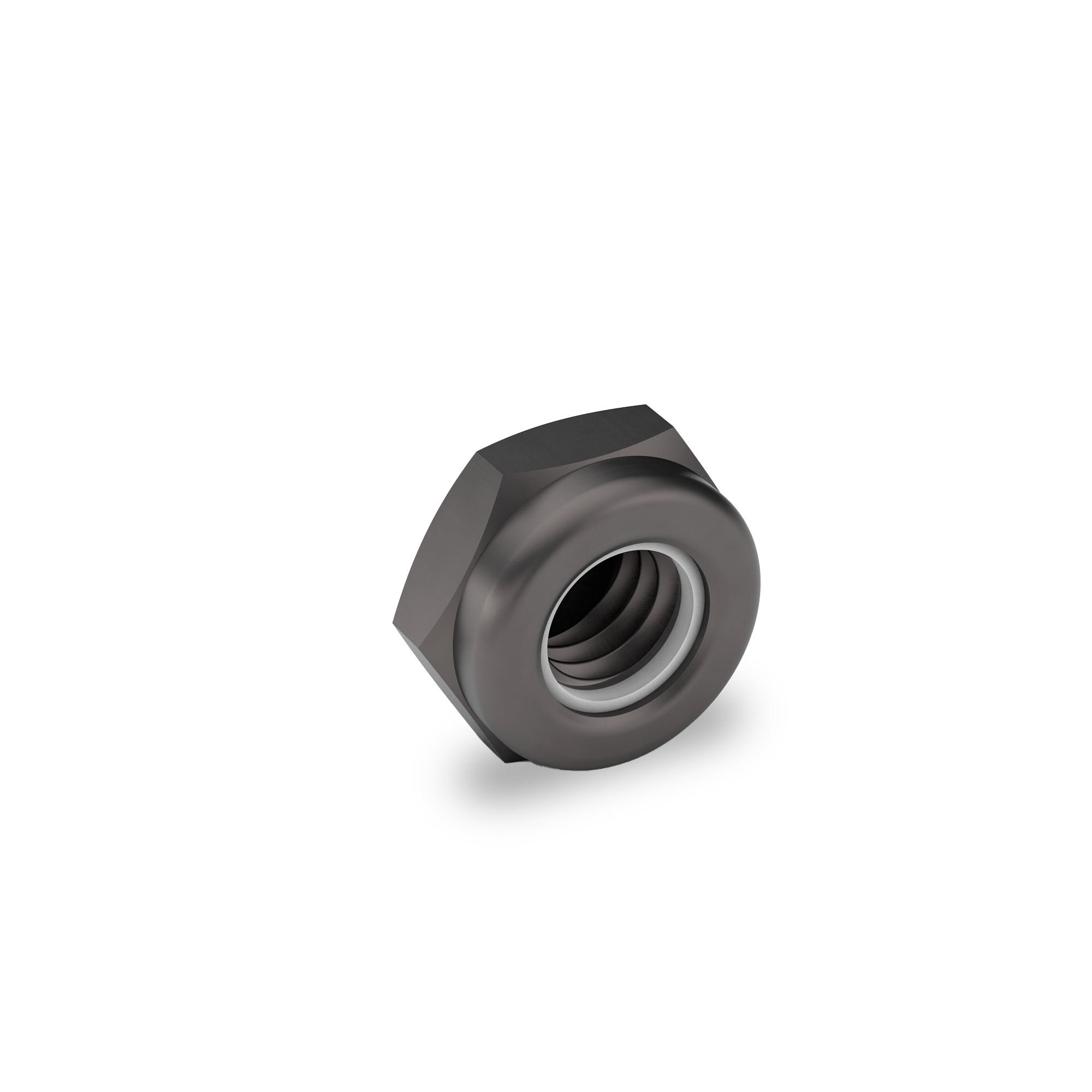
An NTE Nylon Insert Lock Nut is a specific type of self-locking hex nut that uses a nylon insert to prevent loosening under vibration or stress. The term “NTE” refers to the nut type and thread engagement, and is commonly found in military, aerospace, and industrial specifications.
NTM Nylon Insert Lock Nut
An NTM Nylon Insert Lock Nut (also known as a Nylon-insert nut, nyloc nut, or nylon lock nut) is a type of lock nut that features a nylon insert or collar at the top. This insert creates a frictional resistance when threaded onto a bolt or screw, helping to prevent the nut from loosening due to vibration or torque.
NTU Nylon Insert Lock Nut
An NTU Nylon Insert Lock Nut is a specific type of self-locking hex nut that includes a nylon insert and follows a defined naming convention, typically used in aerospace, defense, and industrial specifications. An NTU Nylon Insert Lock Nut is a thin-pattern, self-locking hex nut with Unified National threads (UNC or UNF) and a nylon insert.
NU Nylon Insert Lock Nut
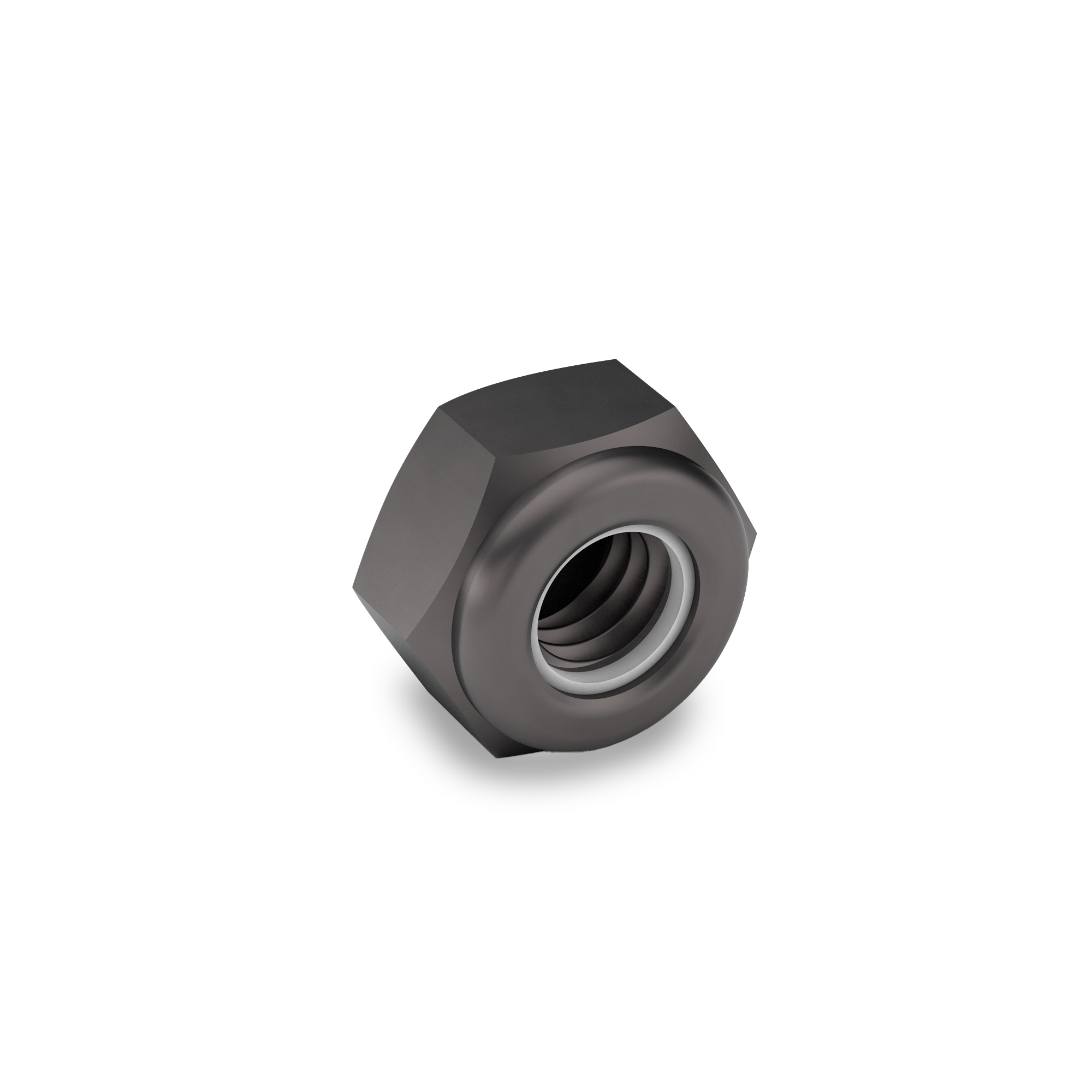
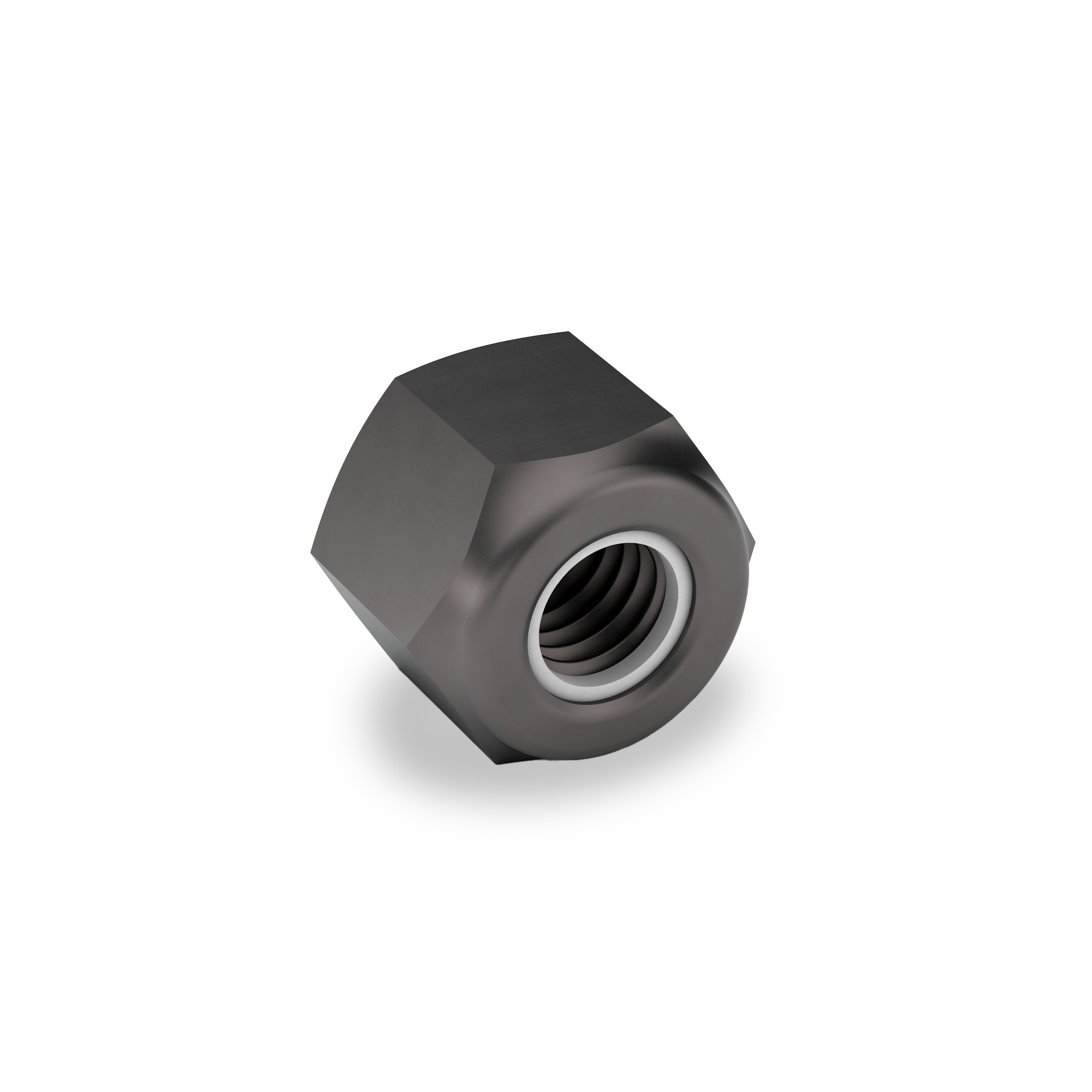
The NU nylon insert lock nut is a full-height, metal hex nut with a non-metallic nylon insert pressed into the top of the nut. It is commonly used in industrial, automotive, and aerospace applications where a secure, vibration-resistant joint is required.
NU-MA-SHEEN
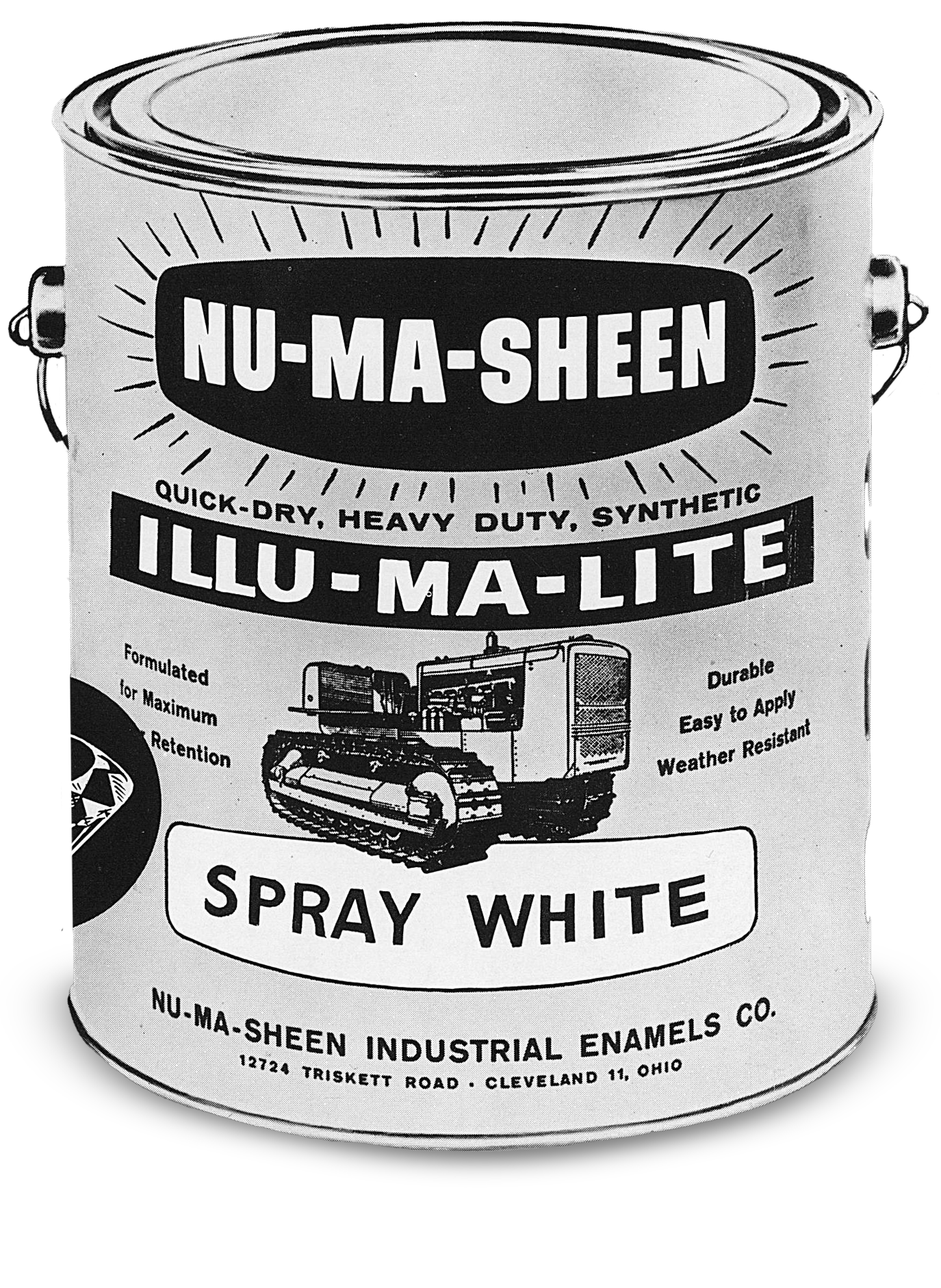
NU-MA-SHEEN was a registered line of industrial enamels introduced by Earnest Machine Products in 1958 during the company’s expansion beyond fasteners. Known for its quick-dry, heavy-duty, rust-preventive finishes and scientifically matched OEM colors, NU-MA-SHEEN helped contractors and equipment owners bring tired machinery back to life. Formulated for construction, agricultural, and heavy equipment applications, the brand became known for protecting equipment, restoring original color, and bringing a little pride back to the jobsite.
Nut
A nut is a type of fastener used in conjunction with a bolt to securely hold materials together in heavy-duty applications such as construction, manufacturing, and machinery. Industrial nuts are designed to withstand high loads, vibrations, and extreme conditions.
Nut Factor
Nut factor is an empirical, dimensionless value used to estimate how much tightening torque is needed to produce a desired amount of tension, or preload, in a threaded fastener. It is commonly represented by the letter K and is used in the simplified relationship torque equals nut factor multiplied by nominal fastener diameter multiplied by desired preload, often written as T = K × D × F.
In this relationship, T is the tightening torque, K is the nut factor, D is the nominal fastener diameter, and F is the desired bolt tension or clamp load. For example, when the fastener diameter and target preload are known, engineers can select an appropriate nut factor to estimate the required tightening torque.
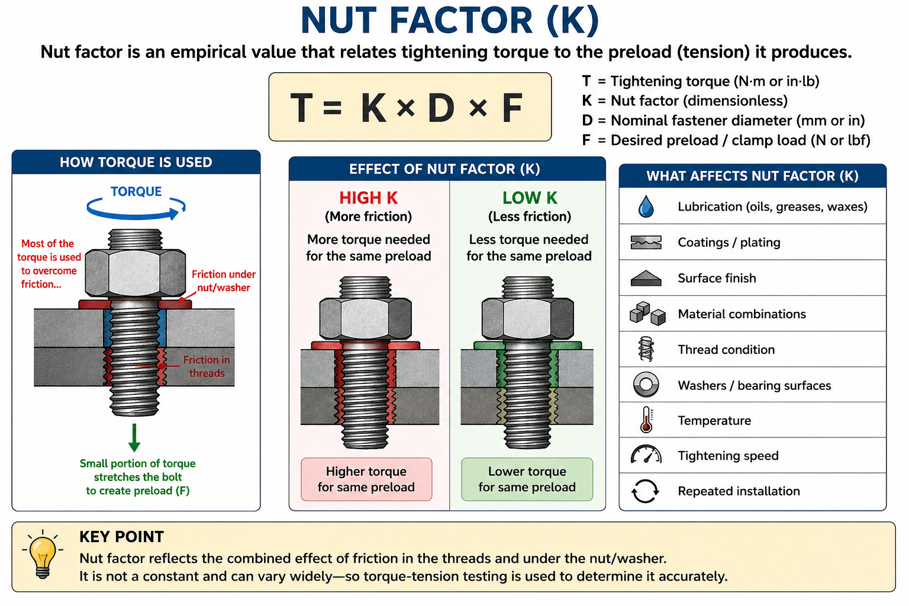
The nut factor accounts primarily for the friction that occurs in the fastening system. Friction develops between the mating threads and beneath the rotating nut, bolt head, or washer. Because most of the applied torque is consumed overcoming this friction, only a relatively small portion of the torque actually stretches the fastener and creates useful clamp force. A higher nut factor generally means more torque is required to reach a given preload, while a lower nut factor means the fastener will produce more preload at the same applied torque.
The value of the nut factor can be affected by lubrication, coatings, plating, waxes, surface finish, material combinations, thread condition, washers, tightening speed, temperature, and repeated installation. A dry, rough fastener system may have a higher nut factor than the same fastener with a controlled lubricant. This means that applying the same torque to the two fasteners could produce very different clamp loads.
Although the term includes the word “nut,” nut factor applies to the complete tightening system rather than to the nut alone. It reflects the combined behavior of the threads, bearing surfaces, lubricant, coating, and installation conditions. It is also not the same as the coefficient of friction. The coefficient of friction describes resistance between specific contacting surfaces, while the nut factor is a broader practical value used to connect tightening torque with the resulting preload.
Nut factor values are often based on testing, published specifications, or prior experience. Because the value can vary significantly between fastener lots and surface conditions, torque-tension testing is commonly used when accurate or consistent clamp load is important. In practical terms, the nut factor answers the question: How efficiently does the applied tightening torque create tension in this particular fastener assembly?
Nylon
Nylon is a synthetic polymer belonging to the family of polyamides, known for its strength, elasticity, chemical resistance, and versatility. It was first developed by chemists at DuPont in 1935, making it one of the earliest and most important synthetic fibers. Its invention revolutionized textiles, engineering plastics, and industrial materials.
Chemically, nylon is created through a condensation polymerization reaction between a diamine (such as hexamethylenediamine) and a dicarboxylic acid (such as adipic acid). The resulting long-chain molecules are held together by amide bonds (–CONH–), giving the material excellent mechanical strength and thermal stability.
In its fiber form, nylon is lightweight, strong, smooth, and abrasion-resistant. It can be drawn into very fine threads and woven into fabrics that mimic silk but are far more durable. These properties made nylon famous during World War II, when it replaced silk in parachutes, ropes, and military gear, and later in stockings, clothing, and upholstery.
In industrial and engineering applications, nylon is used in the form of molded plastics or extruded components. It serves as a key material for gears, bushings, bearings, washers, nuts, fasteners, and cable ties, due to its combination of low friction, self-lubrication, high tensile strength, and wear resistance. Nylon is also used in automotive parts, power tools, conveyor belts, and fastener coatings, where it provides both mechanical and chemical performance advantages.
Nylon absorbs some moisture from the air, which can slightly affect its strength and dimensions. It also melts at around 220–265°C (428–509°F) depending on the specific type (e.g., Nylon 6, Nylon 6/6, Nylon 12).
There are several types of nylon, each optimized for different uses:
- Nylon 6/6 (Polyhexamethylene adipamide): Common in mechanical parts, known for strength and stiffness.
- Nylon 6 (Polycaprolactam): Used in fibers and films, easier to process with excellent surface finish.
- Nylon 12: More flexible, resistant to moisture and chemicals, used in tubing and coatings.
Nylon Insert
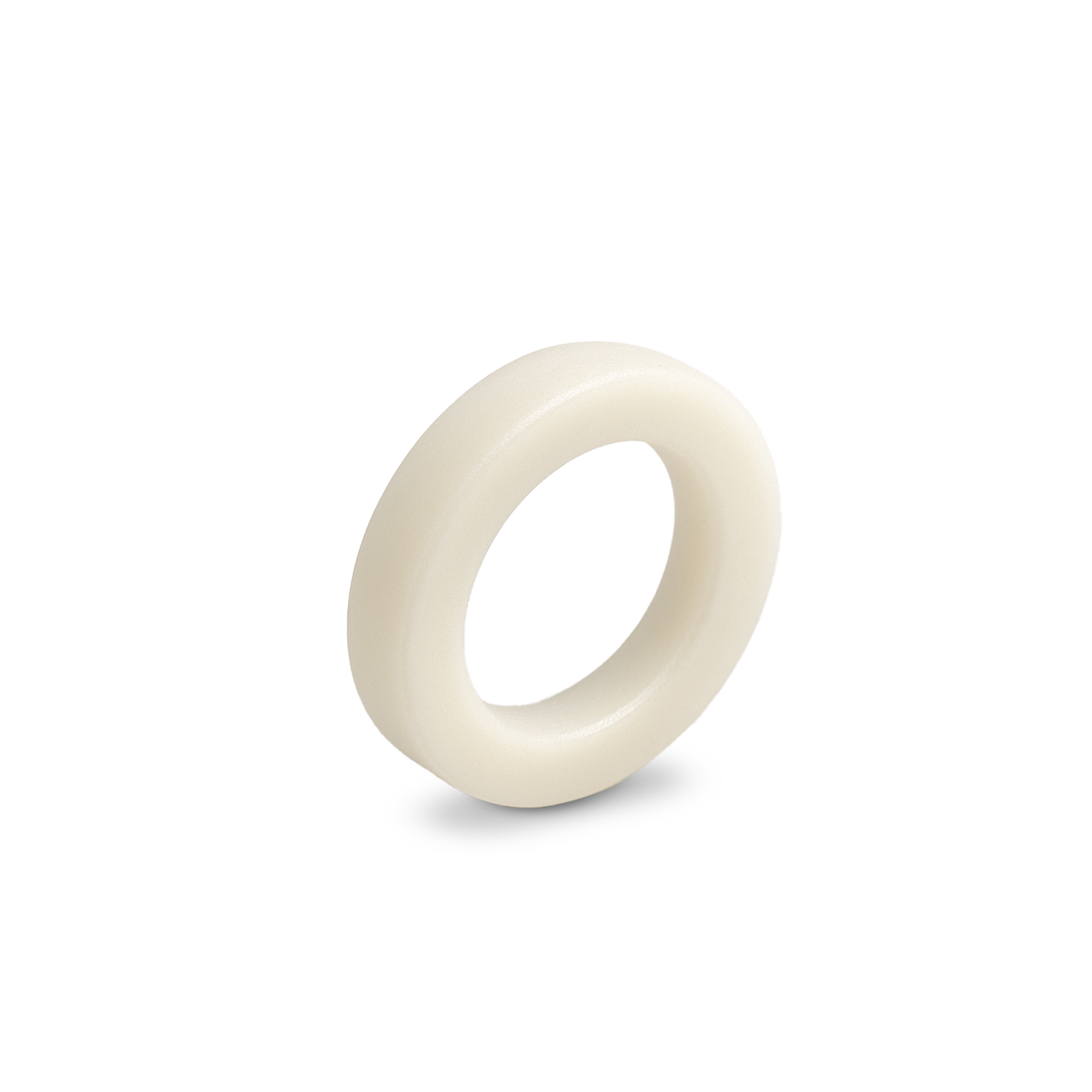
A nylon insert is a ring of nylon material embedded into the threads of a fastener, typically a hex nut. As the mating fastener is threaded into place, the nylon insert deforms around the threads, locking the mating fastener in place. This deformation creates a locking action by pressing tightly against the mating fastener’s threads, thereby reducing loosening caused by vibration or movement.
Nylon Insert Hex Flange Lock Nut
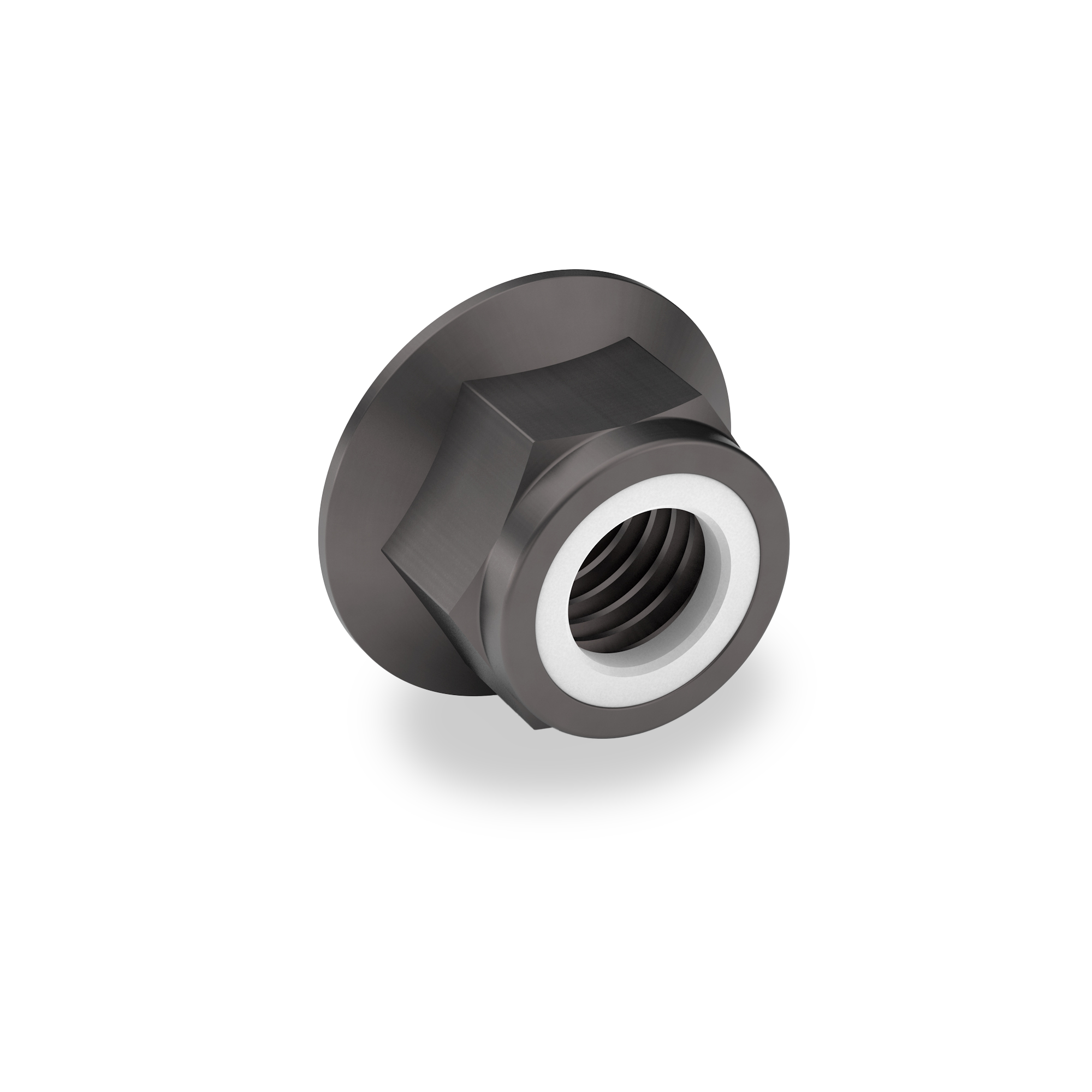
Nylon Insert Hex Flange Nuts — otherwise known as Nylok™ Flange Nuts, Flange Stop Nuts, Plastic Insert Flange Lock Nuts, Non-Metallic Insert Flange Nuts, or Polyamide Flange Lock Nuts — are designed with a built-in washer and nylon insert. As the nut is tightened, the bearing load is spread out over a larger area compared to Nylon Insert Hex Nuts — preventing damage to the clamping material (such as truck frames). The nylon locks the nut in place as it grabs onto the thread. Earnest offers the nuts in inch carbon steel (Grade A or 2) and Grade G (8).
Nylon Insert Lock Nut DIN 982
The DIN 982 Nylon Insert Lock Nut — also referred to as a Nylok™ Nut, Stop Nut, Plastic Insert Lock Nut, Regular Series Nylon Lock Nut, Non-Metallic Insert Nut, Polyamide Lock Nut, or Nylon Insert Hex Nut — is a nut with many identities but designed with one purpose. The Nylon Insert Hex Nut is a top-lock style with an elastic nylon ring. This ring grabs onto the thread as it’s fastened — preventing the nut from loosening in vibrating applications. Earnest offers DIN 982 Nylon Insert Lock Nuts in Property Classes 6 and 8.
Nylon Insert Lock Nut with Nylon Cap
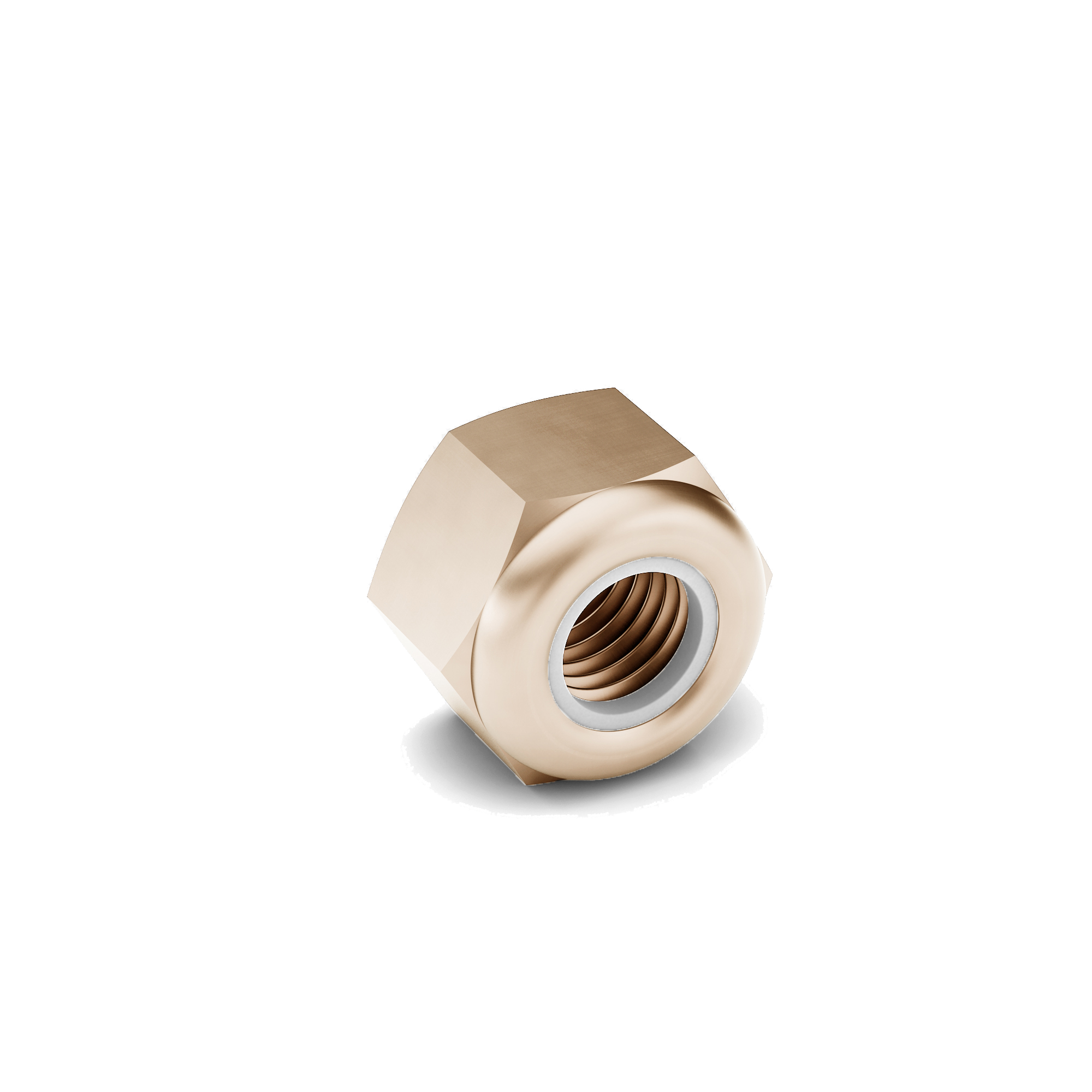
A Nylon Insert Lock Nut with Nylon Cap is a type of lock nut that combines the secure fastening of a nylon insert lock nut with the protective and aesthetic benefits of a cap made of nylon. This nut is designed to provide a vibration-resistant fastening solution while also protecting the exposed bolt threads and enhancing the overall appearance.
Nylon Patch
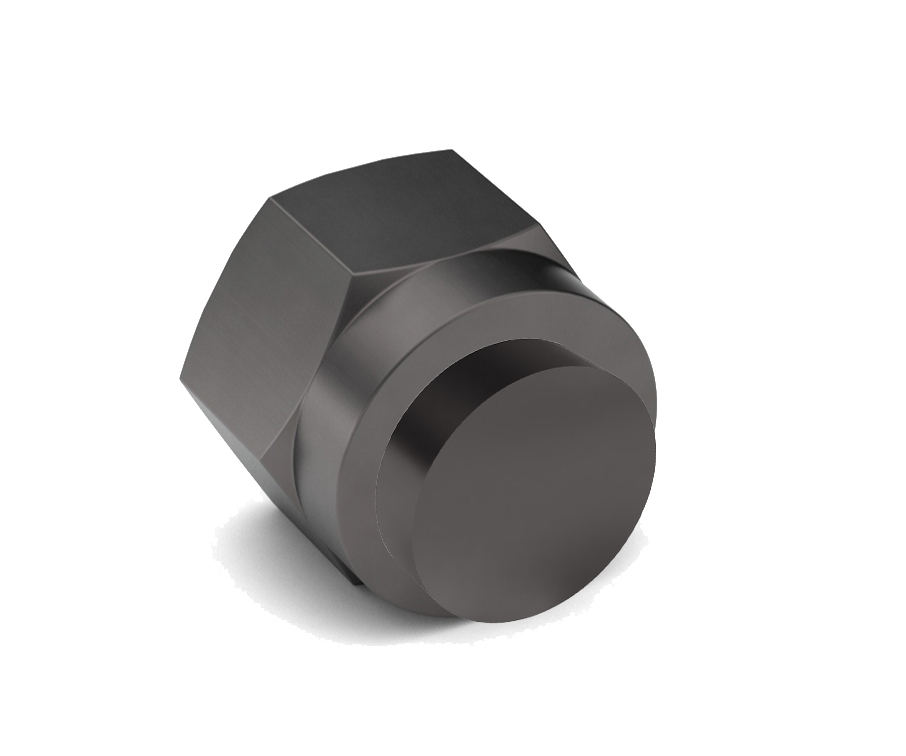
A pre-applied nylon strip on a fastener’s threads that adds friction to prevent loosening from vibration. Also called a non-metallic prevailing torque patch, it’s made by heating nylon to a liquid state and applying it to one side of the threads. As the fastener is tightened, the nylon creates a wedging action between the threads, providing a reusable, non-permanent locking feature. Nylon patches can typically be reused up to five times and perform reliably up to 250°F.