Learning Hub
Glossary
Grade 2 (SAE)
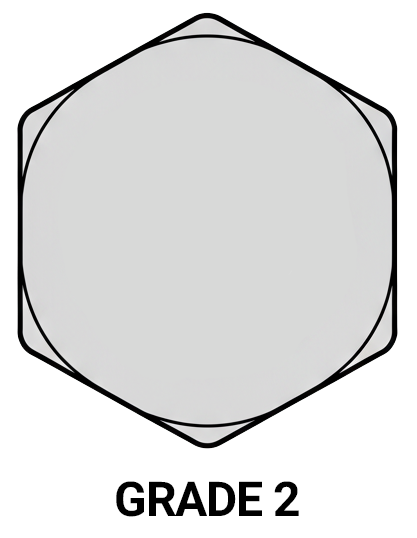
A Grade 2 fastener is a low-carbon steel bolt or screw that represents the basic, entry-level strength grade in the SAE (Society of Automotive Engineers) grading system used primarily in the United States. These fasteners are typically made from low-carbon steels such as 1006, 1008, or 1010 and are not heat-treated, which keeps their strength lower but makes them inexpensive, ductile, and suitable for general-purpose applications.
In industrial and fastener-distribution environments, Grade 2 fasteners are considered non-critical, light-duty hardware. They are commonly used in non-structural, non-load-bearing assemblies, household applications, light machinery, basic construction, appliance manufacturing, and farm equipment where high tensile or shear strength is not required. Their typical mechanical properties include a minimum tensile strength around 60,000 psi for bolts under 1" diameter and roughly 55,000 psi for bolts 1" and above—significantly lower than Grade 5 or Grade 8.
Grade 2 bolts are usually identified by a plain head with no markings (hex bolts without radial lines). In distribution, they are often supplied zinc-plated, hot-dip galvanized, or plain and are widely stocked due to their versatility and low cost. For situations requiring structural integrity, vibration resistance, high torque, or elevated temperature performance, Grade 2 fasteners are not appropriate and are replaced by higher-grade fasteners like Grade 5, Grade 8, or alloy/metric equivalents (Class 8.8, 10.9, etc.).
Grade 5 (SAE)
A Grade 5 fastener is a medium-strength, heat-treated carbon steel bolt or screw defined by the SAE J429 standard. It represents the “general-purpose high-strength” category in the SAE grading system—stronger than Grade 2, but not as strong as Grade 8. Grade 5 is one of the most widely used fastener grades in North American industrial, automotive, and machinery applications.
Grade 5 bolts are typically made from medium-carbon steel (such as 1038, 1541, or similar steels) and are quenched and tempered to increase their tensile strength, hardness, and toughness. Their mechanical properties are significantly higher than Grade 2, with a minimum tensile strength of about 120,000 psi (for diameters up to 1 inch). This added strength makes them suitable for load-bearing assemblies, machinery, automotive components, agricultural equipment, heavy-duty brackets, structural joints, and general industrial equipment where durability and performance are essential.
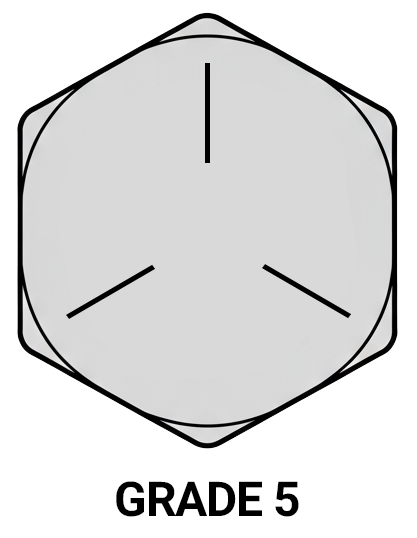
Grade 5 fasteners are easy to identify: the head of a standard hex bolt will have three radial lines, evenly spaced, indicating its grade. They are often supplied in zinc-plated, plain/oil finish, or phosphate and oil variants. Because they offer an excellent balance of strength, cost, and availability, Grade 5 bolts are one of the most commonly stocked fastener grades in distribution, especially for MRO and OEM customers.
Grade 8 (SAE)
A Grade 8 fastener is a high-strength, high-performance bolt or screw made from medium-carbon alloy steel and heat-treated to achieve some of the highest mechanical properties in the SAE J429 grading system. Grade 8 bolts are significantly stronger than both Grade 2 and Grade 5 and are used whenever the joint must withstand high loads, shock, vibration, or critical structural forces.
Grade 8 fasteners are typically manufactured from steels such as medium-carbon alloy (like 4037 or 4140) and are quenched and tempered to achieve very high hardness and tensile strength. Their minimum tensile strength is approximately 150,000 psi, and their yield strength is around 130,000 psi, making them one of the strongest readily available standard inch-series bolt grades.
In practical industrial settings, these fasteners are used in heavy equipment, automotive suspensions, engine assemblies, agricultural machinery, off-highway vehicles, structural support systems, hydraulic components, and any application where failure would be dangerous or costly. They handle high clamping force, resist deformation under heavy loads, and hold up well in dynamic or vibration-prone environments.
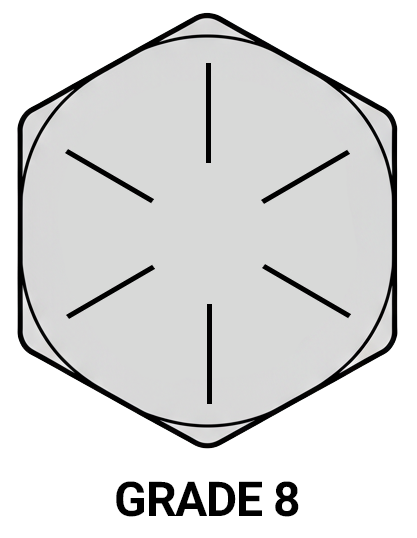
Grade 8 hex bolts are easily identified by six radial lines on the head, which is a universal SAE marking. They are usually supplied in yellow zinc, clear zinc, phosphate and oil, or plain finishes depending on corrosion requirements. For customers choosing between grades, Grade 8 is ideal when maximum strength is required, while still being compatible with standard inch-series tooling and thread classes.
SAE Flat Washer
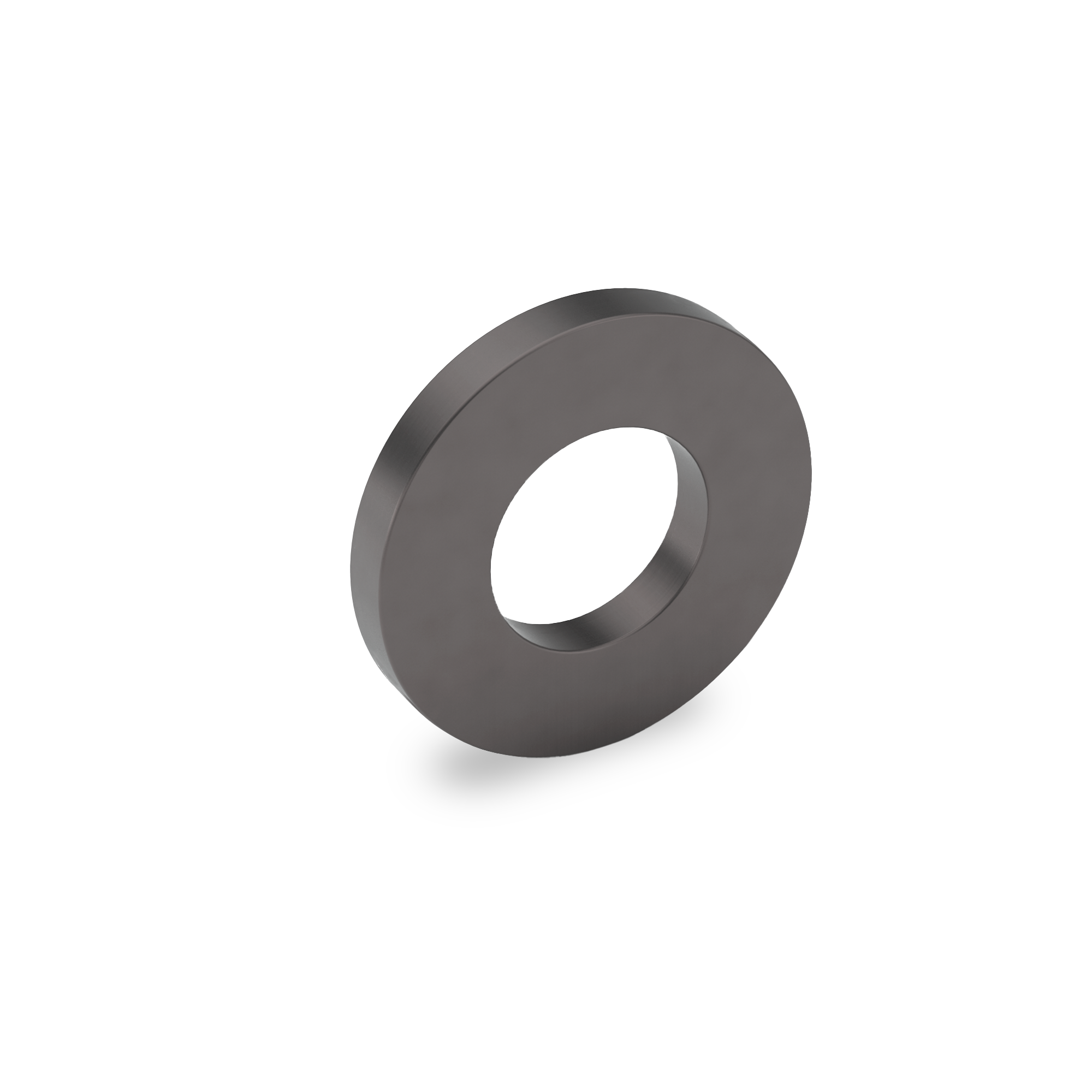
The SAE Washers prevent imbedding or distortion to the material being clamped. The washers provide a smooth, level protective bearing surface to fasten nuts and bolts. Without washers, the bolts, nuts, and screws can lose their clamping load if they imbed into the clamping material. SAE Washers are used in assemblies that are bolting together soft metals, wood and steel and are designed to be used with Grade 2 and 5 strength levels fasteners.
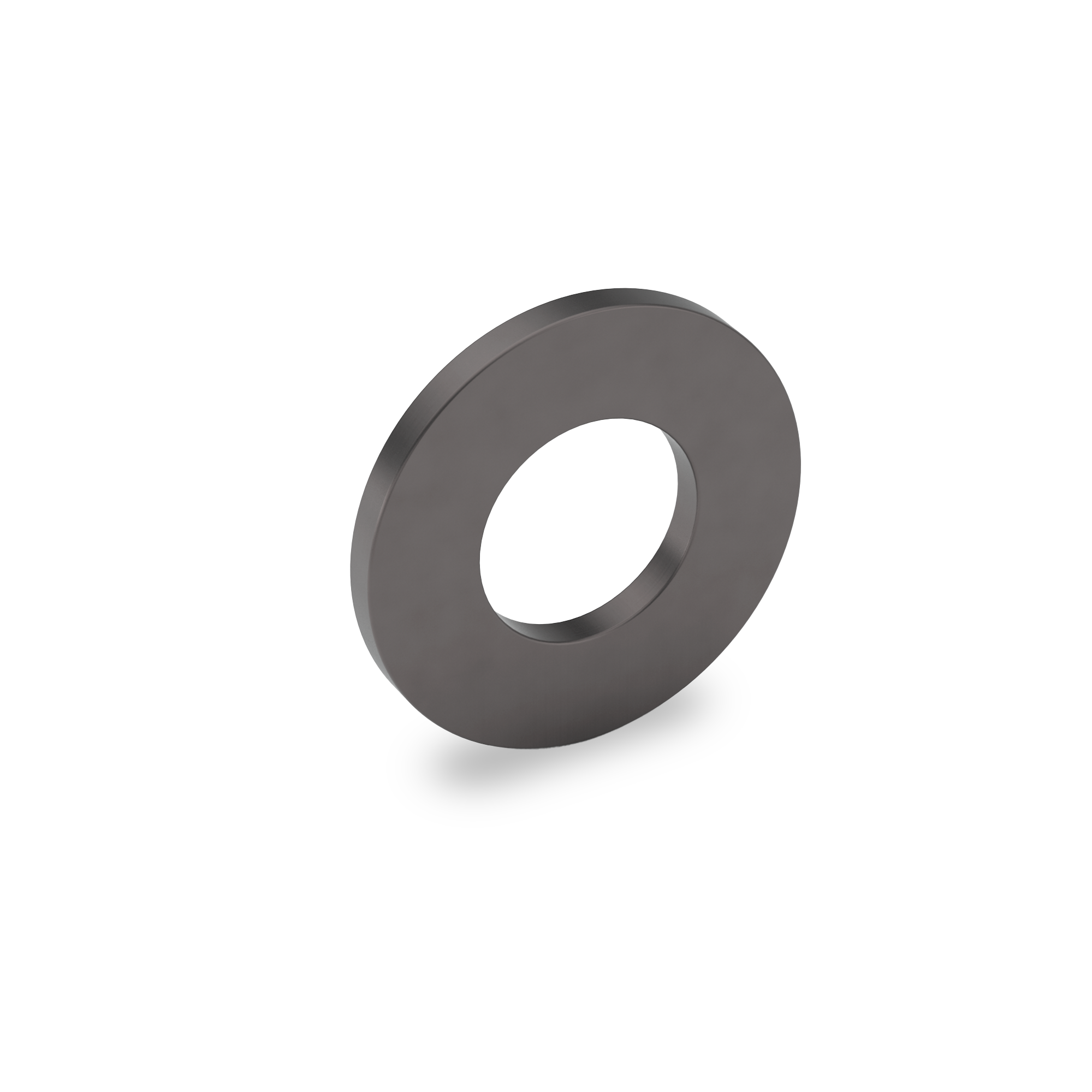
SAE Hardened Flat Washer (RC 38-45)
An SAE Hardened Flat Washer (RC 38-45) is a flat washer made to SAE (Society of Automotive Engineers) standards, specifically designed to provide extra strength and durability. The washer is hardened to a Rockwell hardness range of 38-45 on the C scale (RC 38-45), making it suitable for use in high-stress or heavy-load applications.
SAE International
SAE International is a global, professional engineering organization that develops technical standards, publishes research, and provides education for industries involved in mobility, including automotive, aerospace, commercial vehicles, off-highway equipment, and industrial manufacturing. Although rooted in the automotive world (originally the Society of Automotive Engineers), SAE has evolved into a broad standards body that supports any sector dealing with vehicles, engines, motion, mechanical systems, and materials.
For the fastener industry, SAE International is particularly important because it creates and maintains the SAE J-standards—the specifications used for SAE bolt grades such as Grade 2, Grade 5, and Grade 8, along with numerous standards covering material composition, mechanical properties, testing methods, and marking requirements. Manufacturers, distributors, and engineers rely on SAE’s standards to ensure fasteners are consistent, safe, and interchangeable, regardless of who produced them.
Outside of fasteners, SAE International manages thousands of specifications and publishes technical papers, organizes conferences, provides training and certifications, and serves as a major source of engineering knowledge for mobility-related industries. Its work influences vehicle design, aerospace components, lubricants, materials, testing protocols, and emerging technologies like electric vehicles and autonomous systems.

SAE J429 Grade 1
A common strength classification for carbon steel fasteners made from low-carbon steel. SAE J429 Grade 1 fasteners provide the lowest strength level within the SAE J429 standard and are typically used in light-duty, non-critical applications where only minimal strength is needed. Common uses include furniture assembly, light-duty brackets, automotive trim, electrical enclosures, and other non-load-bearing or temporary connections not subject to high stress or vibration.
SAE J429 Grade 2
A common strength classification for carbon steel fasteners that are made from low to medium carbon steel. SAE Grade 2 fasteners offer a basic level of strength and are typically used in non-critical, general-purpose applications where high strength is not required.
SAE J429 Grade 4
A common strength classification for carbon steel fasteners made from medium carbon steel that are typically quenched and tempered. SAE J429 Grade 4 fasteners provide a moderate strength level under the SAE J429 standard and are commonly used in applications requiring greater strength than Grade 2 but not as high as Grade 5. These fasteners are suitable for general-purpose mechanical and structural applications where improved load capacity is needed. Common uses include automotive components, machinery parts, and light structural assemblies.
SAE J429 Grade 5
A strength classification for medium carbon steel fasteners that have undergone heat treatment to enhance their strength and durability. SAE Grade 5 fasteners provide greater strength than Grade 2 and are commonly used in automotive, industrial, and structural applications where higher load-bearing capacity is required.
SAE J429 Grade 5.1
A strength classification for alloy steel fasteners that are typically quenched and tempered, conforming to the SAE J429 standard. Grade 5.1 fasteners provide a higher strength level than Grade 5 and are intended for applications requiring enhanced mechanical performance and durability. Common uses include automotive, heavy machinery, and structural applications where improved toughness and tensile strength are necessary.
SAE J429 Grade 5.2
A strength classification for alloy steel fasteners that are typically quenched and tempered, conforming to the SAE J429 standard. Grade 5.2 fasteners offer a higher strength level than Grade 5.1 and are used in demanding applications requiring superior mechanical performance and durability. Common uses include heavy-duty automotive, industrial machinery, and structural applications where maximum toughness and tensile strength are critical.
SAE J429 Grade 8
A strength classification for alloy steel fasteners that have been heat treated to provide high tensile strength and excellent durability. SAE Grade 8 fasteners are stronger than Grade 5 and are commonly used in heavy-duty automotive, industrial, and structural applications requiring maximum load capacity and toughness.
SAE J429 Grade 8.1
A strength classification for alloy steel fasteners that are quenched and tempered, conforming to the SAE J429 standard. Grade 8.1 fasteners provide higher tensile strength and improved toughness compared to Grade 8, making them suitable for high-stress, heavy-duty applications. Typical uses include automotive suspension components, heavy machinery, and structural assemblies requiring superior strength.
SAE J429 Grade 8.2
A strength classification for alloy steel fasteners, quenched and tempered to exceed the mechanical properties of Grade 8.1 under the SAE J429 standard. Grade 8.2 fasteners are designed for extremely demanding applications where maximum strength, durability, and resistance to fatigue are required. Common applications include critical heavy machinery parts, high-performance automotive, and structural components subjected to intense stress.
SAE J995 Grade 2 (Nuts)
A classification under the SAE J995 standard for inch-series hex nuts made from low-carbon steel. Grade 2 nuts are intended for use in light-duty, non-critical applications and are typically paired with SAE J429 Grade 1 or Grade 2 bolts. They offer low mechanical strength and usually lack grade markings.
SAE J995 Grade 5 (Nuts)
A classification under the SAE J995 standard for inch-series hex nuts made from medium carbon steel, quenched and tempered. Grade 5 nuts are intended for medium-strength applications and are typically used with SAE J429 Grade 5 bolts. They offer greater mechanical strength than Grade 2 nuts and are identified by two circumferential grade markings located 120 degrees apart, typically with one mark on the top face and the other wrapping partially around the side of the nut.
SAE J995 Grade 8 (Nuts)
A classification under the SAE J995 standard for inch-series hex nuts made from medium carbon alloy steel, quenched and tempered. Grade 8 nuts are used in high-strength applications and are typically paired with SAE J429 Grade 8 bolts. They provide the highest strength among SAE J995 grades and are identified by two circumferential grade markings located 60 degrees apart, both positioned clearly on the top face of the nut.
SAE NT Hardened Flat Washer (RC 38-45)
An SAE NT Hardened Flat Washer (RC 38-45) is a hardened flat washer made to SAE (Society of Automotive Engineers) standards, specifically designed to withstand high loads and stress in demanding applications. The washer is hardened to a Rockwell hardness of 38-45 on the C scale (RC 38-45), indicating its high strength and resistance to wear. The "NT" in the name stands for "Narrow Thickness", meaning it has a thinner profile compared to standard hardened washers.
SAE NT2 Hardened Thick Flat Washer (RC 38-45)
An SAE NT2 Hardened Thick Flat Washer (RC 38-45) is a type of hardened flat washer designed to meet SAE (Society of Automotive Engineers) standards with added thickness. The "NT2" indicates a thicker profile compared to standard washers, while the RC 38-45 refers to the washer's Rockwell C hardness rating, meaning it is heat-treated for enhanced strength and durability.
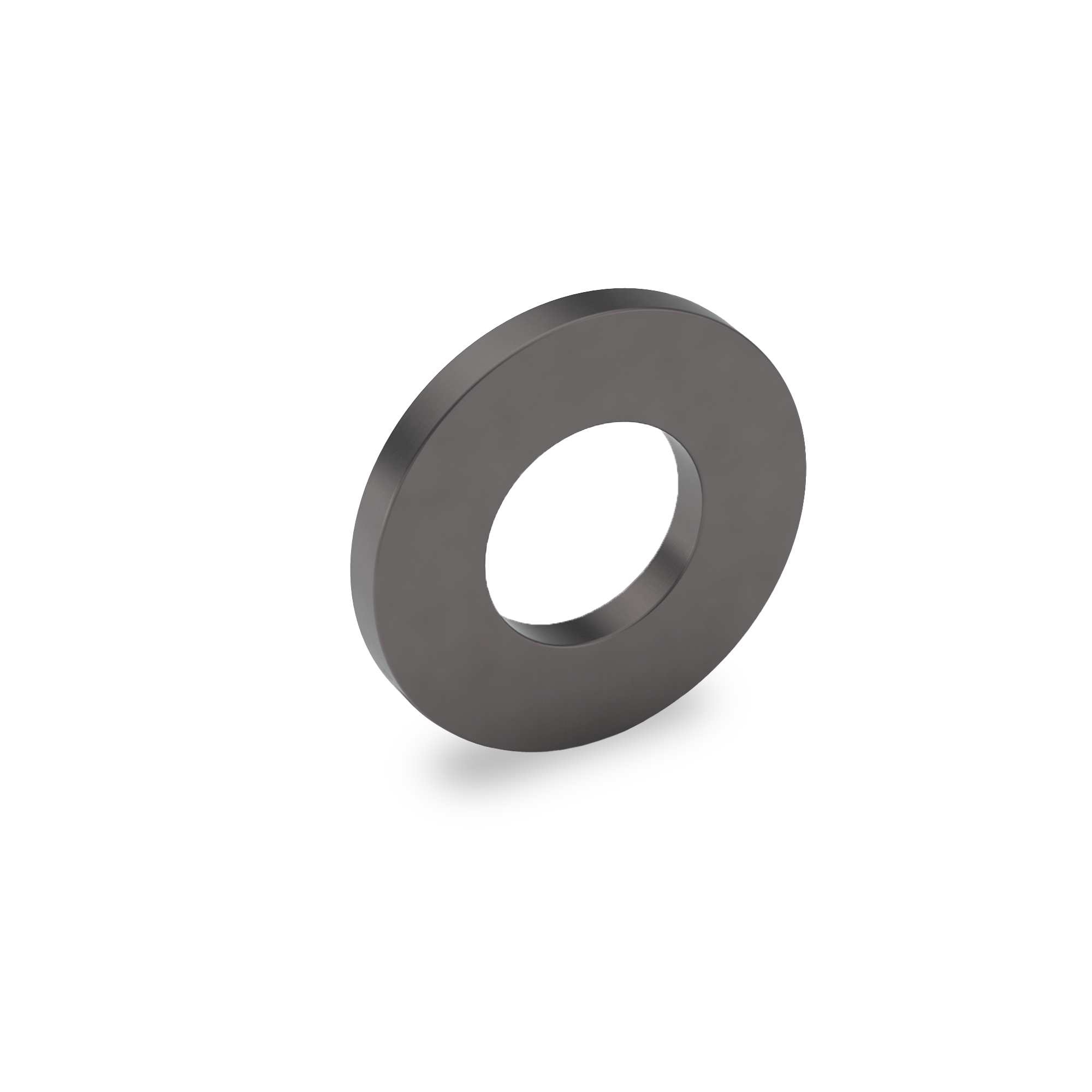
SAE NTX Hardened Extra Thick Flat Washer (RC 38-45)
An SAE NTX Hardened Extra Thick Flat Washer (RC 38-45) is a specialized type of flat washer designed to meet SAE (Society of Automotive Engineers) standards, with an extra thick profile for added durability and support. The washer is hardened to a Rockwell hardness of 38-45 (RC 38-45), providing high strength, wear resistance, and the ability to withstand heavy loads and stress.