
Learning Hub
Glossary
Hydrogen Embrittlement
Hydrogen embrittlement is a form of metal damage in which hydrogen atoms enter a material and reduce its ability to deform without cracking. The metal may appear normal and may even pass an initial inspection, but under tensile stress it can suddenly crack or fracture at a load well below its expected strength. High-strength steels are especially vulnerable, although other metals and alloys can also be affected.
Hydrogen can enter a metal during manufacturing, finishing, or service. Common sources include acid cleaning, pickling, electroplating, phosphating, welding, corrosion, and exposure to hydrogen-containing environments. Because hydrogen atoms are extremely small, they can move through the metal and collect around grain boundaries, inclusions, dislocations, and highly stressed areas. These concentrations interfere with the metal’s ability to deform normally and make crack initiation and growth more likely.
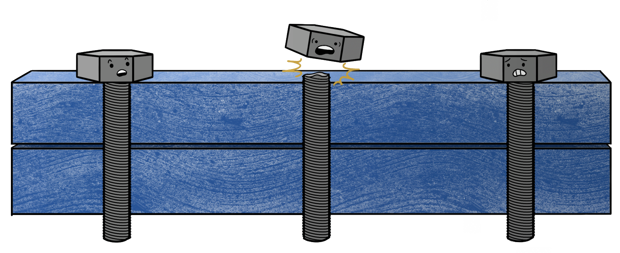
In fasteners, hydrogen embrittlement is particularly serious because bolts, screws, and studs are placed under sustained tensile stress when tightened. A high-strength plated fastener may be installed successfully and then fracture hours, days, or even weeks later. This delayed failure can occur without obvious warning and is one of the reasons hydrogen embrittlement is difficult to detect through ordinary visual inspection.
The risk generally increases as material strength and hardness increase. High-strength fasteners, especially those above certain hardness levels, require careful control during cleaning, plating, and heat treatment. Sharp thread roots, surface defects, excessive preload, residual stress, and corrosion can further increase the likelihood of failure.
Hydrogen embrittlement can be divided into two broad categories. Internal hydrogen embrittlement results from hydrogen introduced during manufacturing or surface-treatment processes. Environmental hydrogen embrittlement occurs when hydrogen enters the metal during service, often as a result of corrosion or exposure to chemicals.
Prevention methods include limiting exposure to acids, using carefully controlled cleaning and plating processes, selecting lower-risk coatings, reducing residual stress, and performing a post-plating baking treatment to help drive hydrogen out of the metal. Baking must usually be performed soon after plating, before the hydrogen becomes deeply trapped. However, baking reduces risk rather than guaranteeing complete removal.
Hydrogen embrittlement is different from ordinary rusting or general corrosion. Corrosion may create the hydrogen that enters the metal, but embrittlement refers specifically to the loss of ductility and the increased tendency to crack. In practical terms, hydrogen embrittlement is a hidden weakening mechanism that can cause a highly stressed metal component to fail suddenly even though it looks undamaged from the outside.
Article: How to Avoid Hydrogen Embrittlement for Zinc Plated Fasteners