
Learning Hub
Glossary
Dezincification
Dezincification is a corrosion process that selectively removes zinc from a copper-zinc alloy, most commonly brass, leaving behind a weakened, porous, copper-rich structure. Since brass gets much of its strength and utility from the combination of copper and zinc, the loss of zinc can seriously reduce the material’s mechanical integrity even if the part still looks mostly intact from the outside.
Dezincification typically occurs when brass is exposed to certain corrosive environments, especially water containing chlorides, low pH conditions, stagnant water, soft water, high temperatures, or environments with dissolved oxygen and other aggressive ions. In a fastener, fitting, valve, plumbing component, or marine hardware application, the zinc-rich areas of the brass can gradually dissolve away. What remains is often a reddish or pinkish copper-colored surface, along with a brittle, sponge-like internal structure that may crack, leak, crumble, or fail under load.
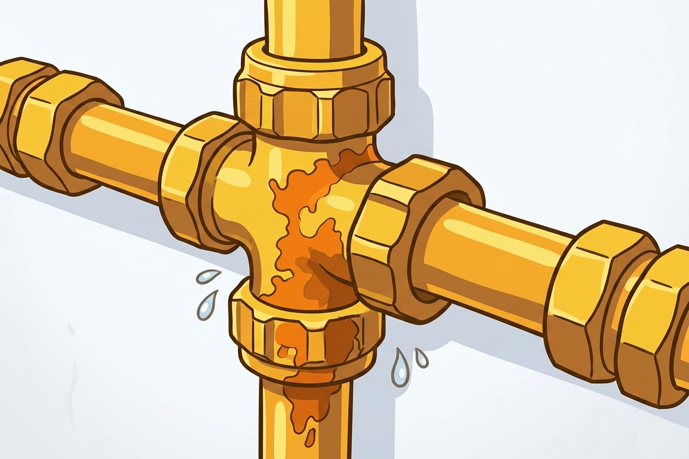
There are two common forms of dezincification: uniform dezincification and localized or plug-type dezincification. Uniform dezincification affects a broad surface area more evenly, while plug-type dezincification attacks specific spots and can create deep, hidden zones of weakness. Plug-type attack is especially dangerous because the outside of the component may appear serviceable while the interior has lost strength.
In industrial and fastener applications, dezincification matters because it can turn a seemingly solid brass part into a structurally unreliable component. Brass nuts, screws, threaded inserts, fittings, washers, valves, and marine components may lose thread strength, clamping ability, pressure-retention capability, or resistance to vibration. This is one reason material selection is important when brass parts are used in wet, marine, chemical, plumbing, or outdoor environments.
Dezincification can be reduced by using dezincification-resistant brass, often called DZR brass, or by choosing a different copper alloy such as bronze, silicon bronze, phosphor bronze, copper-nickel, or stainless steel depending on the application. Alloying additions such as arsenic, tin, or other elements may also improve dezincification resistance in specific brass grades. The best prevention is matching the alloy to the service environment rather than assuming all brass behaves the same in corrosive conditions.
Molten Zinc
Molten zinc is zinc metal heated above its melting point so it becomes a liquid that can be poured, dipped, or otherwise applied in manufacturing. Zinc melts at about 419.5 °C (787 °F), so “molten zinc” generally means zinc held above that temperature in a controlled pot, kettle, or furnace.
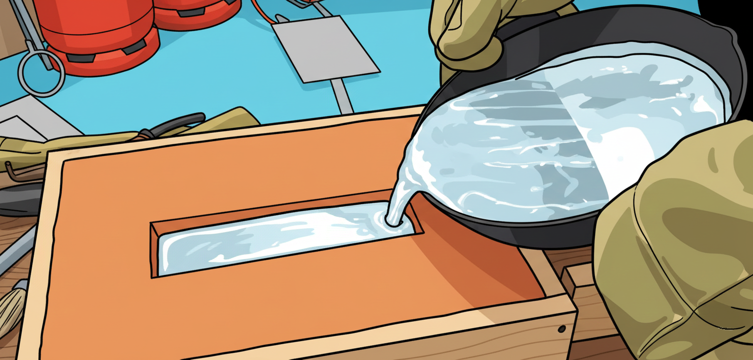
In industrial/fastener contexts, molten zinc shows up most commonly in hot-dip galvanizing, where steel parts are immersed in a bath of molten zinc to form a zinc coating that protects the steel from corrosion. It’s also used in spelter (poured) sockets for wire rope terminations, where molten zinc is poured into a socket to lock the broomed wire strands in place after it solidifies.
Because molten zinc is processed at high temperature, it’s a significant burn and fire hazard, and zinc fumes can be hazardous if inhaled—so industrial practice relies on controlled equipment, ventilation, PPE, and established procedures.
PFAS-Free Zinc Flake Coatings
PFAS-free zinc flake coatings are corrosion-protective fastener finishes that use thin zinc and/or aluminum flakes in a binder system, but are formulated without PFAS chemicals, often called “forever chemicals.” PFAS stands for per- and polyfluoroalkyl substances, a broad family of fluorinated chemicals known for resisting heat, oil, water, and chemical attack, but also for environmental persistence and growing regulatory concern.
In fastener applications, zinc flake coatings are commonly used as an alternative to electroplated zinc, especially where high corrosion resistance is needed without introducing hydrogen embrittlement risk from acid pickling or electroplating. The coating is typically applied by dip-spin, spray, or rack process, then cured. Instead of forming a solid metallic zinc deposit like plating, the finish creates a layered barrier of overlapping metallic flakes. Those flakes act a bit like roof shingles, making it harder for moisture, oxygen, and salts to reach the steel underneath.
A PFAS-free version means the coating system avoids fluorinated additives that may have historically been used to improve lubricity, water repellency, release properties, chemical resistance, or friction control. This matters because many manufacturers and end users are moving away from PFAS-containing materials due to environmental, health, and compliance pressures.
For fasteners, the challenge is that the coating still has to do several jobs at once: resist corrosion, maintain consistent torque-tension behavior, avoid galling or seizing, meet coefficient-of-friction requirements, survive handling, and remain compatible with mating parts. A good PFAS-free zinc flake coating should still provide strong salt spray performance and predictable assembly behavior, but the formulation may rely on non-fluorinated lubricants, sealers, or topcoats to replace what PFAS-containing chemistry used to provide.
In plain fastener terms: PFAS-free zinc flake coatings are modern corrosion-resistant finishes designed to protect bolts, nuts, washers, and other steel parts while reducing reliance on persistent fluorinated chemicals. They are especially relevant for automotive, heavy equipment, construction, energy, and industrial applications where corrosion performance and compliance requirements both matter.
Zinc (Zn)
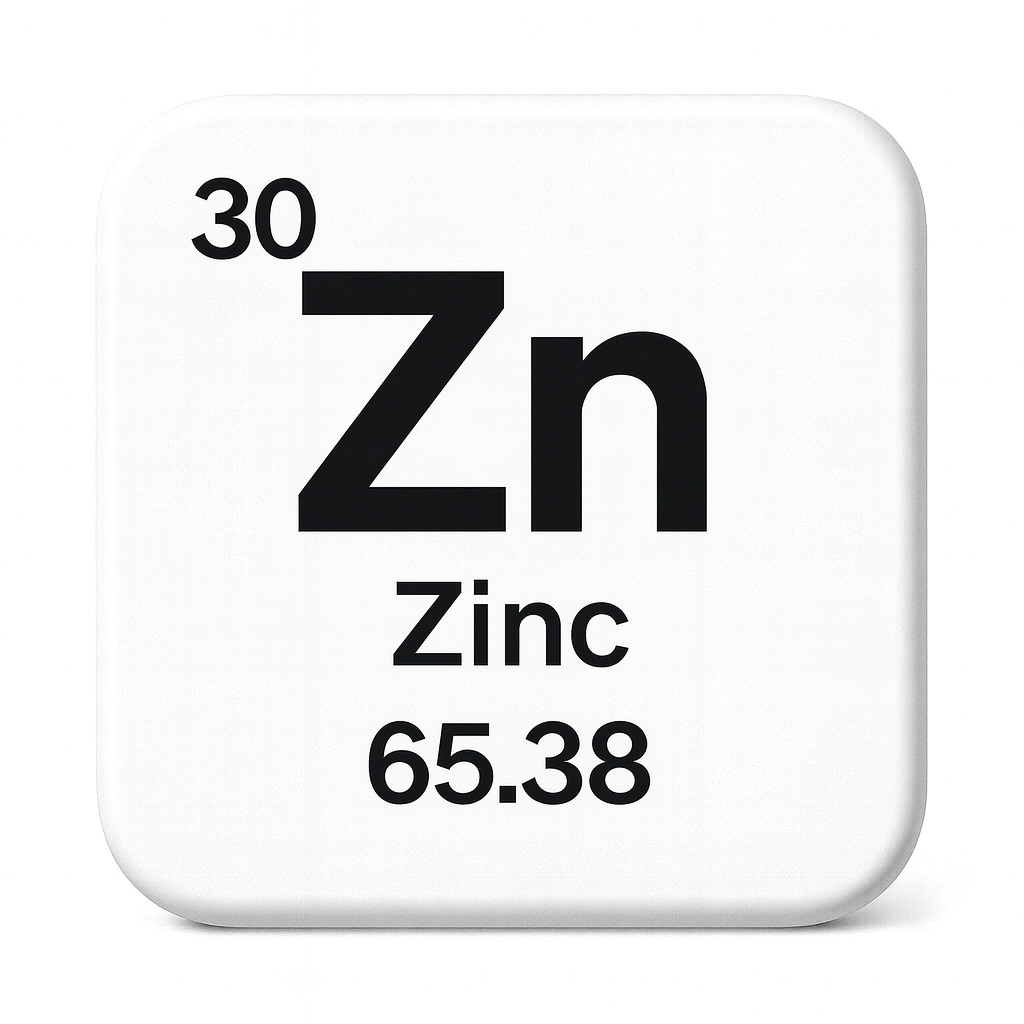
Zinc is a bluish-white metallic element with the chemical symbol Zn and atomic number 30. It is a transition metal known for its excellent corrosion resistance, moderate strength, and ability to form protective coatings and alloys. Zinc plays an essential role in both industry and biology, making it one of the most versatile and widely used metals on Earth.
In its pure form, zinc is brittle at room temperature but becomes malleable and ductile when heated between about 100–150°C (212–302°F). It has a melting point of 419.5°C (787°F) and a density of 7.13 g/cm³. When exposed to air, it reacts with oxygen and carbon dioxide to form a thin layer of zinc carbonate (ZnCO₃) or zinc oxide (ZnO), which protects the underlying metal from further corrosion—similar to how aluminum forms a protective oxide layer.
The most common industrial use of zinc is galvanization—coating steel or iron with a thin layer of zinc to prevent rust. This process is essential for making nuts, bolts, fasteners, sheet metal, and structural components more durable in outdoor or marine environments. Galvanized steel owes its long lifespan and weather resistance to zinc’s sacrificial protection—if the coating is scratched, zinc will corrode preferentially, shielding the steel beneath.
Zinc is also a vital component in alloys. It’s used to make brass (copper + zinc), nickel silver, and various die-casting alloys for automotive parts, electronics housings, and hardware. It’s also used in batteries—especially in zinc-carbon and zinc-air cells—as well as in paints, rubber, pharmaceuticals, and fertilizers.
Zinc oxide (ZnO), one of its most important compounds, serves as a pigment, UV absorber, and antibacterial agent. It’s used in sunscreen, rubber vulcanization, paints, ceramics, and medical ointments (such as zinc oxide creams for skin protection).
Biologically, zinc is an essential trace element required for human health. It supports immune function, wound healing, enzyme activity, and DNA synthesis. Zinc deficiency can lead to stunted growth, weakened immunity, and other health issues.
Zinc Black Trivalent
A corrosion-resistant finish where metallic zinc is deposited on the fastener’s surface through electroplating. This is followed by a black trivalent chromate treatment that enhances both appearance and corrosion protection. A Zinc Black Trivalent finish is often used when a fastener needs to be both visually appealing and resistant to corrosion.
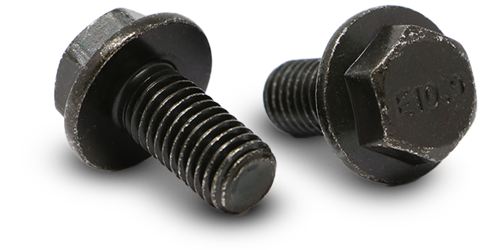
Appearance - A Zinc Black Trivalent plating results in a smooth, glossy black surface with a uniform finish.
Zinc Clear Trivalent
Zinc Clear Trivalent is a corrosion-resistant finish where metallic zinc is first deposited on the fastener’s surface through electroplating. This is followed by a clear or colorless trivalent chromate treatment, which adds an extra layer of corrosion protection. Together, these provide up to 72 hours of salt spray resistance, making it a reliable finish for many applications. The trivalent chromate is also a safer and more environmentally friendly alternative to older hexavalent chromium finishes.
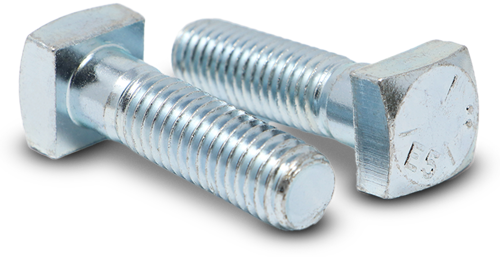
Appearance - Fasteners with this finish have a distinct silver color with a slight blue tint. Overseas platers often produce a dull silver tone, while U.S. platers may enhance the finish with blue brighteners for a glossy, chrome-like appearance.
Zinc Dichromate
Zinc dichromate is a type of plating finish applied to steel fasteners to provide corrosion resistance and a distinctive yellow-gold appearance. It is created by first electroplating the steel with a layer of zinc, then applying a dichromate conversion coating (a type of chromate passivation). This dual layer protects the base metal by slowing oxidation and offering sacrificial protection—meaning the zinc corrodes before the steel does.
Zinc dichromate is widely used because it provides better corrosion protection than plain zinc plating, while also giving fasteners a recognizable yellow or iridescent finish. However, because traditional dichromates contain hexavalent chromium (Cr6+), which is hazardous to health and the environment, many industries are phasing it out in favor of safer alternatives like trivalent chromates or zinc flake coatings.
Zinc Flake Black (Magni 656)
A corrosion-resistant coating made from a mixture of zinc and aluminum flakes, typically applied using a dip-spin process. This finish produces a matte black appearance with a rough, uneven texture similar to Zinc Flake Silver. This coating is designed to provide high corrosion protection without the risk of hydrogen embrittlement. Making Zinc Flake Black ideal for high-strength fasteners used in demanding environments.
Appearance - This coating has a matte black finish with a slightly rough, uneven surface.
Zinc Flake Coating
Zinc flake coating is a non-electrolytic finish made of zinc and aluminum flakes in a binder, applied by spraying or dipping and then cured with heat. Despite being thin, it offers very high corrosion resistance, often exceeding 1,000 hours in salt spray testing. It eliminates the risk of hydrogen embrittlement, making it especially suitable for high-strength fasteners and critical applications in industries like automotive and aerospace.
Blog Post: What Are Zinc Flake Coatings and Why Are They Important
Zinc Flake Silver (Magni 501)
Zinc Flake Silver (Magni 501) is a chrome-free, zinc-rich coating applied to fasteners primarily via a dip-spin process. Designed as a high-performance alternative to traditional zinc platings, it provides excellent corrosion resistance without the risk of hydrogen embrittlement.
Appearance - This finish typically appears as a dull gray, less textured than hot-dipped galvanized, yet still somewhat rough and uneven.
Zinc Olive Drab
Zinc Olive Drab is a corrosion-resistant finish where metallic zinc is first deposited on the fastener’s surface through electroplating. This is followed by an olive drab chromate treatment, traditionally hexavalent, that enhances corrosion protection and provides a darker, low-glare appearance. While originally developed for military use, it is also used in other applications that require both protection and a subdued finish. Due to environmental regulations like the European Union’s RoHS directive, which restricts hexavalent chromium, trivalent alternatives are now more commonly used in RoHS-compliant applications.
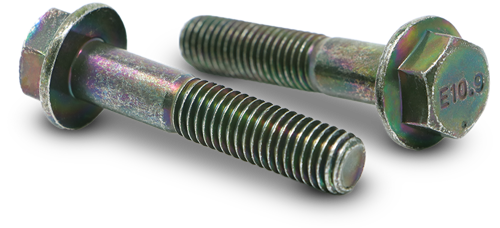
Appearance - Fasteners with a Zinc Olive Drab finish typically appear dull green to olive in color, often with an iridescent sheen that may reflect shades of purple, pink, or bronze depending on the lighting. This finish is darker and more muted than Zinc Yellow, but the iridescent effect can be visually similar
Zinc Phosphate
Zinc phosphate coating is a type of conversion coating applied to steel and iron fasteners to improve corrosion resistance, wear resistance, and paint adhesion. It is created through a chemical reaction in a phosphating solution, where zinc phosphate crystals form and bond tightly to the metal surface, creating a thin, matte, gray-to-black protective layer.
Unlike zinc plating, which deposits a layer of metallic zinc, zinc phosphate is a non-metallic crystalline coating that serves as a base for further treatments. It is often combined with oils, paints, or other topcoats to provide enhanced protection against rust. The microcrystalline structure also reduces friction, making it useful in fasteners where controlled torque and lubrication are important.
Zinc Plating
Zinc coating is a metallic layer of zinc applied directly to steel through processes like electroplating, hot-dip galvanizing, or mechanical plating. The zinc protects the steel by corroding first (sacrificial protection). Coating thickness varies depending on the method, and it provides reliable corrosion resistance but can be prone to hydrogen embrittlement on high-strength parts.
Zinc Whiskers
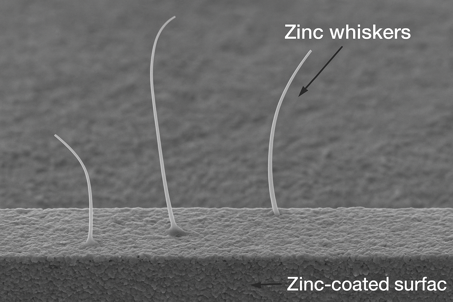
Zinc whiskers are tiny, hair-like metallic filaments that can spontaneously grow from surfaces coated with zinc, such as galvanized steel, zinc-plated fasteners, or zinc-coated flooring panels. They typically form over time due to internal stresses in the zinc coating, such as those caused by electroplating, oxidation, or mechanical strain.
Zinc whiskers are usually only a few microns in diameter but can grow several millimeters long. While they don’t usually affect the structural performance of fasteners, they pose serious risks in electronics and data centers because loose whiskers can break off, become airborne, and cause short circuits, arcing, or equipment failures if they land on sensitive electronic components.
Where you’ll see it
Galvanized or zinc-plated surfaces in old raised floor systems, cabinets, or panels.
Electronics and aerospace industries, where whisker-induced failures can be catastrophic.
Fasteners and hardware exposed to long-term stress, leading to gradual whisker growth.
In short: Zinc whiskers are a microscopic contamination hazard rather than a structural issue, making them a critical concern in environments requiring clean, reliable electronics.
Zinc Yellow
Zinc Yellow is a corrosion-resistant finish where metallic zinc is first deposited on the fastener’s surface through electroplating. This is followed by a yellow hexavalent chromate treatment that provides enhanced corrosion protection, often offering up to 120 hours of salt spray resistance. However, due to environmental regulations such as the European Union’s RoHS directive, the use of hexavalent chromium is restricted in some markets, leading to the growing use of trivalent chromium as a safer alternative.
Appearance - Fasteners with a Zinc Yellow finish have a bright, golden-yellow color that can show iridescent shades of green, pink, or purple, depending on the lighting. This finish tends to be more vibrant and colorful than its trivalent counterpart.
Zinc Yellow Trivalent
Zinc Yellow Trivalent is a corrosion-resistant finish where metallic zinc is first deposited on the fastener’s surface through electroplating. This is followed by a yellow trivalent chromate treatment that enhances corrosion protection while meeting environmental and safety standards. It provides a safer alternative to traditional hexavalent finishes.
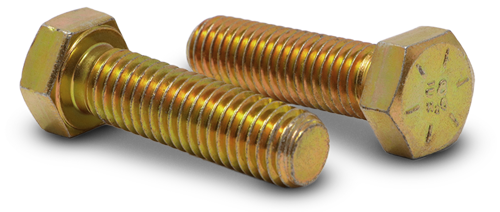
Appearance - Fasteners with this finish have a bright yellow or gold color, often showing iridescent hints of green, pink, or purple depending on the lighting. Generally, fasteners with a Zinc Yellow Trivalent finish have a less vibrant color compared to traditional hexavalent Zinc Yellow finishes.
Zinc-Plated Steel
Zinc-plated steel is carbon or alloy steel that has been coated with a thin layer of zinc to provide corrosion resistance and enhanced durability. The zinc acts as a protective barrier between the steel and the surrounding environment, preventing moisture and oxygen from reaching the steel surface — two key factors that cause rust and oxidation.
The coating process, called electroplating (or electro-galvanizing), involves immersing the steel part in a zinc salt solution and passing an electric current through it. This deposits a thin, even layer of zinc—usually between 5 to 25 microns thick—onto the steel surface. The resulting finish is typically bright silver, bluish, or yellowish depending on the post-treatment (such as clear, blue, or yellow chromate passivation).
Zinc-plated steel offers two types of corrosion protection:
- Barrier protection, where the zinc layer physically seals the steel from air and moisture.
- Sacrificial protection, where zinc, being more reactive than iron, corrodes first when the surface is damaged or scratched—effectively protecting the underlying steel from rust.
This makes zinc-plated steel a cost-effective choice for fasteners, brackets, bolts, nuts, washers, and hardware used in automotive, construction, machinery, and general manufacturing applications. However, while it resists corrosion better than bare steel, zinc plating is not as durable as hot-dip galvanizing, which provides a much thicker zinc layer and better long-term outdoor protection.