
Learning Hub
Glossary
Pressure Vessel
A pressure vessel is a closed container designed to hold gases or liquids at a pressure higher or lower than the surrounding (ambient) pressure, and to do so safely at specified design pressure and design temperature. Because stored pressure energy can be hazardous if released suddenly, pressure vessels are commonly built, inspected, and operated under recognized codes and regulations—most notably the ASME Boiler & Pressure Vessel Code (BPVC) for many industrial applications.
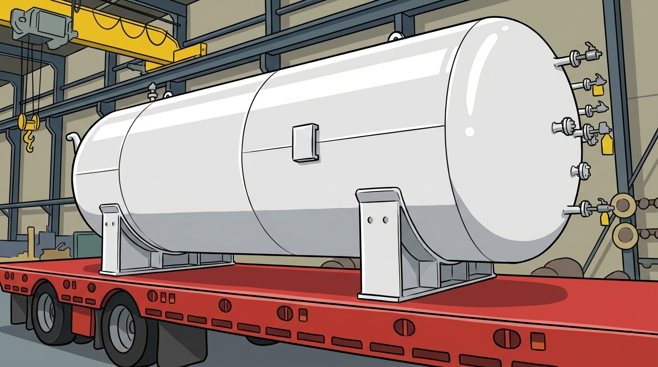
In practical industrial usage, pressure vessels include equipment such as air receivers, process reactors, separators, accumulators, and many kinds of tanks and vessels used in chemical and energy facilities. OSHA describes a pressure vessel as a storage tank or vessel designed to operate at pressures above 15 psig, which is a common regulatory threshold in the U.S.