
Learning Hub
Glossary
Bauxite
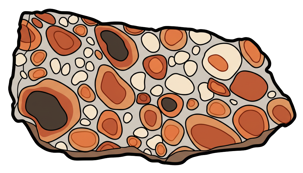
Bauxite is the primary ore of aluminum—a naturally occurring rock made mainly of hydrated aluminum oxides (primarily gibbsite, boehmite, and diaspore) mixed with impurities such as iron oxides, silica, and titania. In industrial terms, bauxite is valuable because it’s the starting raw material used to produce alumina (Al₂O₃) and, ultimately, primary aluminum metal.
Why it matters in the fastener industry: bauxite sits at the very front of the supply chain for aluminum and many aluminum alloys used in fasteners (and the components fasteners assemble). Bauxite is refined into alumina (commonly via the Bayer process), and alumina is then electrolytically reduced to aluminum metal (commonly via the Hall–Héroult process). That aluminum becomes billet, bar, wire, or coil stock used to make aluminum screws, bolts, rivets, and specialty hardware, and it also influences the availability and pricing of aluminum across industrial markets.
Beyond aluminum metal production, alumina and bauxite-derived products also show up around fastener manufacturing and industrial environments as refractory materials (furnace linings), abrasives/blasting media, and other process/plant consumables. The specific mineral makeup and impurity levels of a bauxite deposit affect how it’s processed and what byproducts are generated, but in fastener terms the key takeaway is simple: bauxite → alumina → aluminum, and that chain supports a large portion of lightweight, corrosion-resistant hardware and industrial assemblies.