
Learning Hub
Glossary
Countersunk Bolt
A countersunk bolt is a type of bolt designed so that its head sits flush with or below the surface of the surrounding material once installed. This is achieved by using a specially shaped head—typically flat or conical—that fits into a countersunk hole, which is a conical recess cut into the material. The result is a smooth surface without protrusions, making the joint both streamlined and snag-free.
The head of a countersunk bolt is usually angled at 82° or 90°, though other angles exist depending on standards and applications. The flat top and tapered underside of the head allow it to wedge into the countersunk hole, creating a tight, flush fit. The shank may be fully or partially threaded, depending on whether the design prioritizes clamping strength or shear resistance.
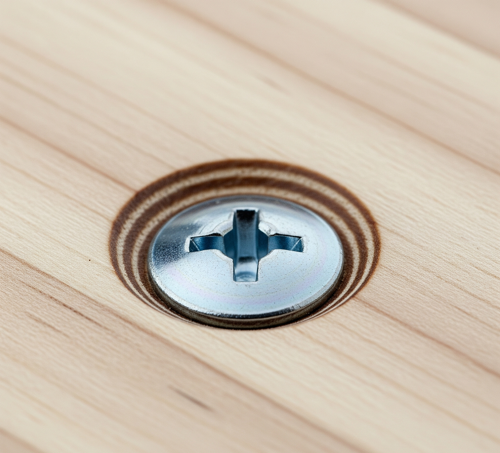
Countersunk bolts are widely used in applications where a flush surface is important for aerodynamics, aesthetics, safety, or clearance. In the aerospace and automotive industries, they reduce drag and prevent snag points. In machinery, furniture, and architectural assemblies, they allow for smooth finishes without bolt heads sticking out. They are often used with countersunk washers or special nuts in cases where extra load distribution or alignment is needed.
Because of their geometry, proper installation requires drilling and countersinking the hole before fastening. This ensures full contact between the bolt head and the conical recess, which helps distribute load evenly and prevents loosening.