
Learning Hub
Glossary
A286
A286 is a precipitation-hardenable, austenitic iron-base superalloy identified by UNS S66286. It is used where a material must combine high strength, good corrosion resistance, and useful elevated-temperature performance, which is why it appears so often in aerospace and high-performance fastening applications. ATI describes A286 as an iron-based alloy that can be age hardened to a high strength level and used in applications requiring strength and corrosion resistance up to about 1300°F (704°C).
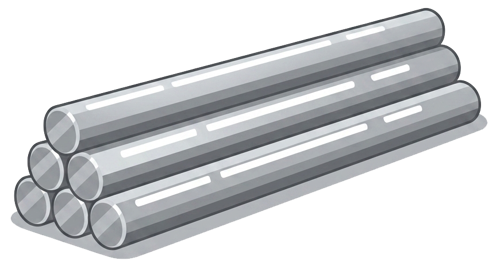
Metallurgically, A286 sits in a middle ground between ordinary stainless steels and more specialized high-temperature alloys. It contains significant nickel and chromium, along with strengthening additions such as titanium and other alloying elements, and it develops much of its useful strength through heat treatment rather than only through cold work or basic chemistry. Because it is an austenitic alloy, it is also associated with good toughness and is commonly described as non-magnetic in low-temperature service.
In practical industrial use, A286 is best known as a high-strength, corrosion-resistant aerospace material. It is a standard material option for several aerospace fastening systems, including NAS lockbolts, Asp fasteners, inserts, and studs, and is suitable for high-load and high-temperature applications. That is a big reason you see A286 referenced in aircraft fasteners, engine-related hardware, and other critical assemblies where ordinary carbon steel or common stainless fasteners would not provide the same balance of heat resistance, strength retention, and corrosion performance.
From a fastener perspective, A286 is important because it gives designers a material option for bolts, studs, lockbolts, and inserts that need to hold preload and resist harsh service conditions better than standard commercial stainless grades. It is often referred to in aerospace catalogs as A286 CRES, meaning a corrosion-resistant steel/alloy in the A286 family. That does not make it a generic stainless like 18-8 or 316; it is a much more specialized engineering alloy intended for demanding service.